October 27, 2026
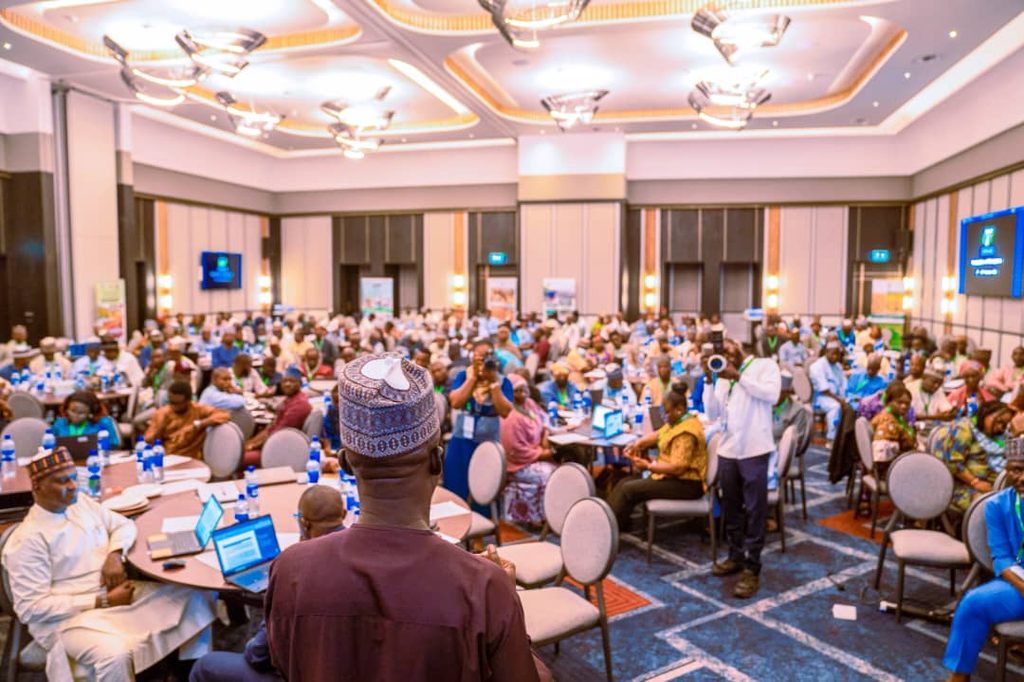
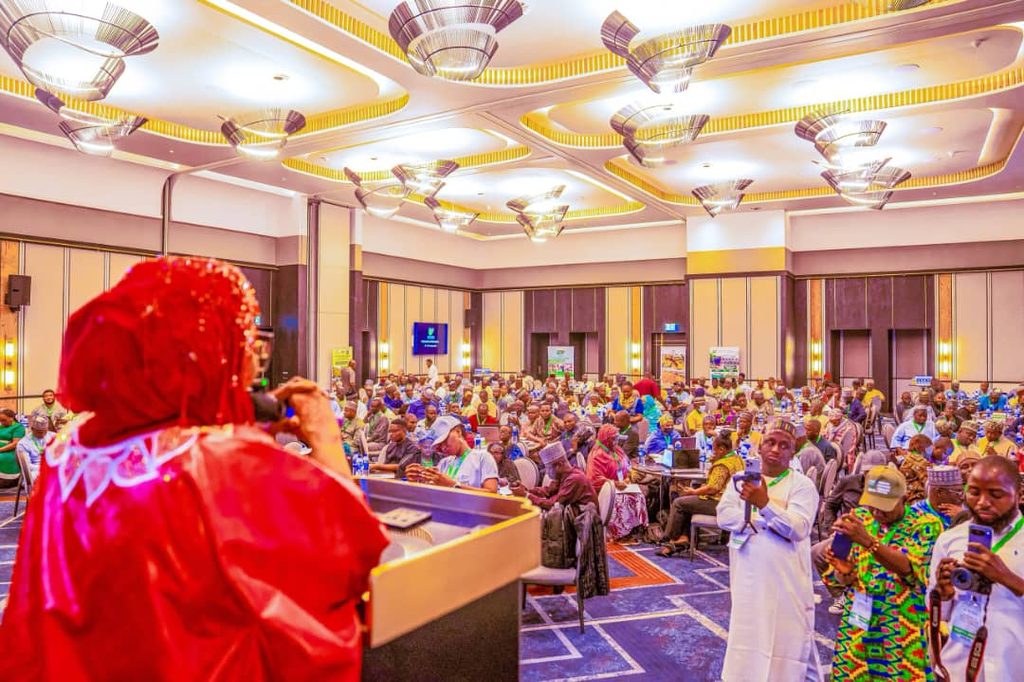
The Agro-Climatic Resilience in Semi-Arid Landscapes (ACReSAL) Project has commenced a comprehensive review of its current and additional financing workplans. The exercise aims to prioritise interventions linked directly to the Project Development Objective, strengthen overall implementation, improve performance, and ensure the long-term sustainability of investments across participating states.
The proposed additional financing hinges on key performance and sustainability metrics achieved over the past four years. Notable milestones include the restoration of over 818,000 hectares of degraded lands, reaching approximately 9 million beneficiaries, and the drilling of over 963 boreholes.
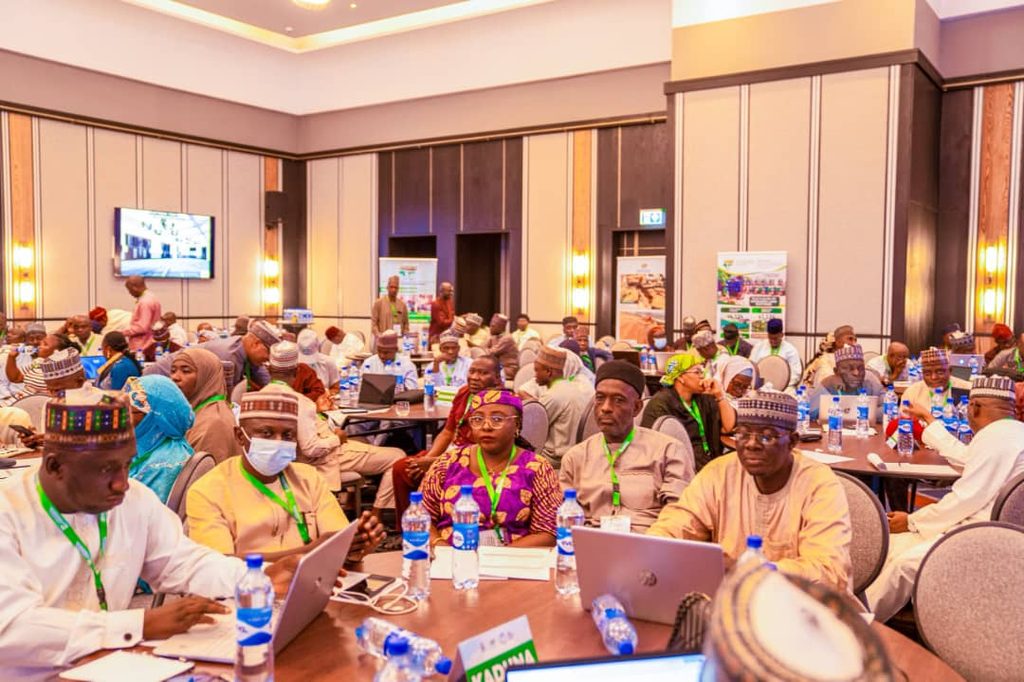
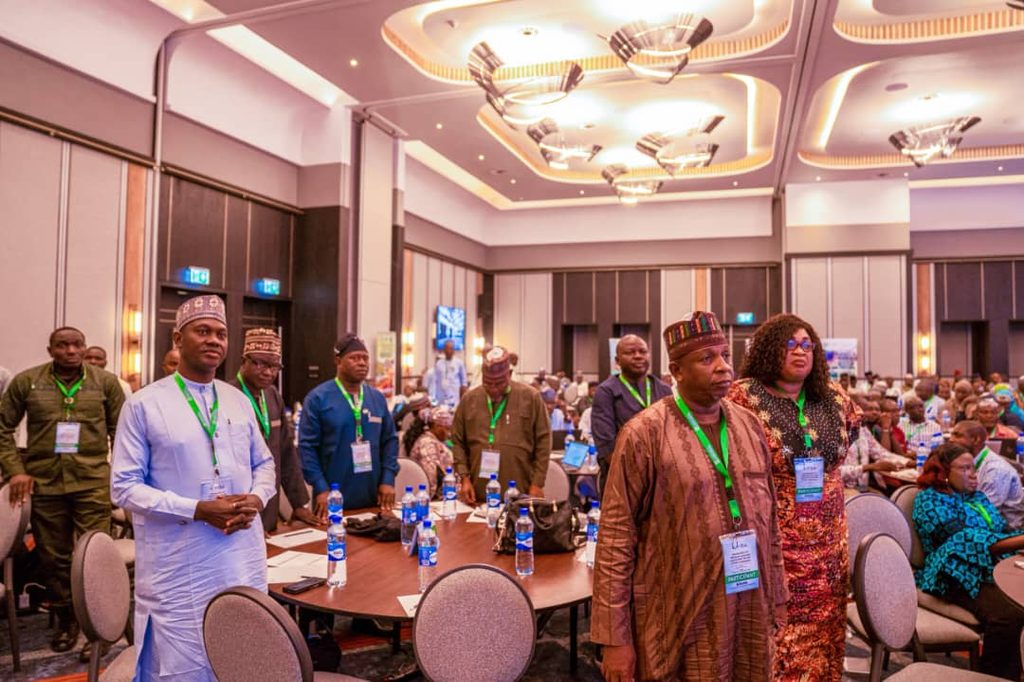
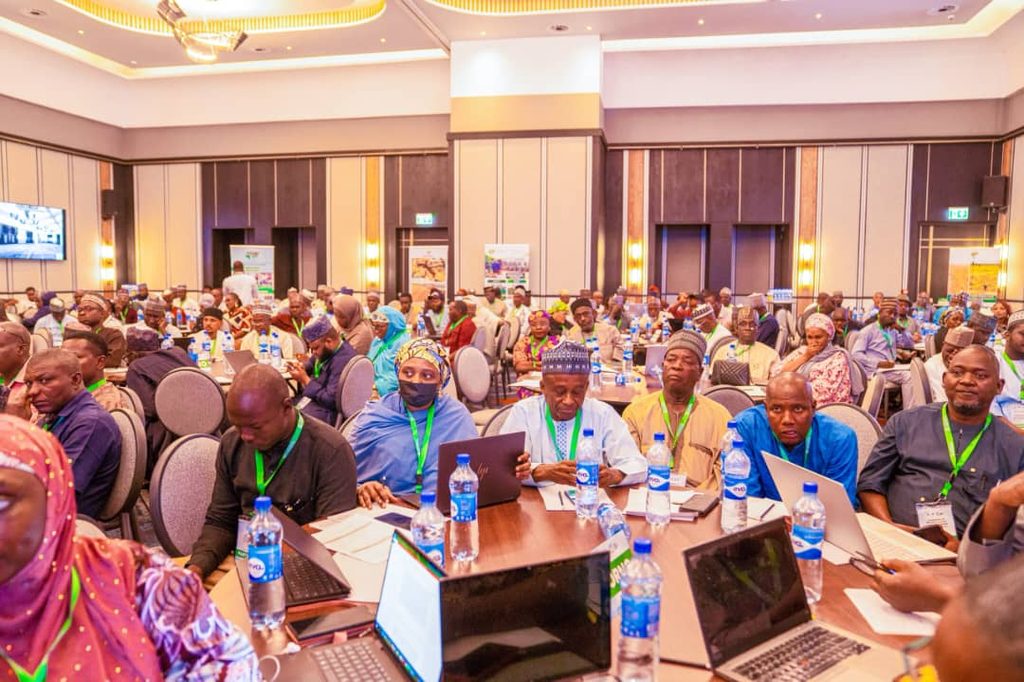
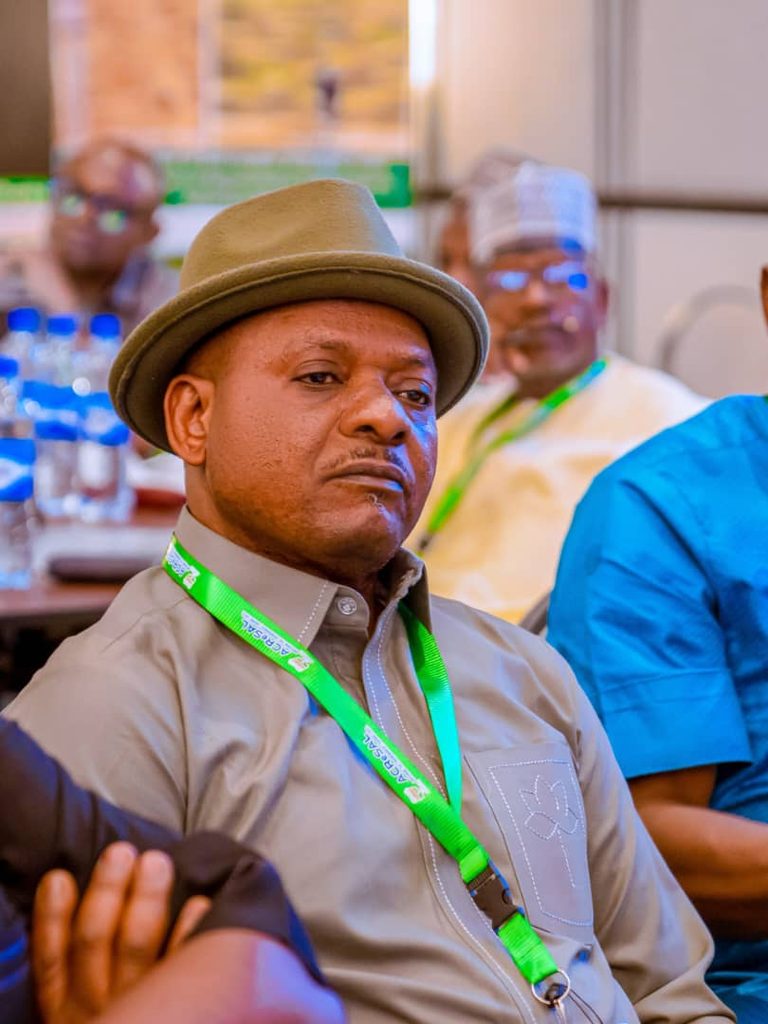
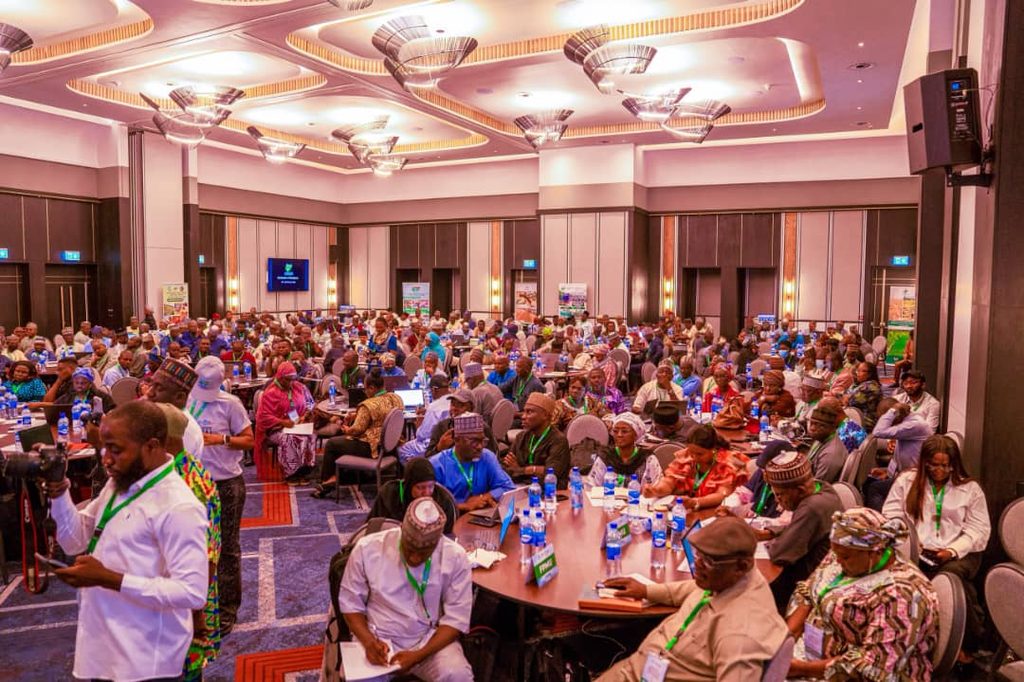
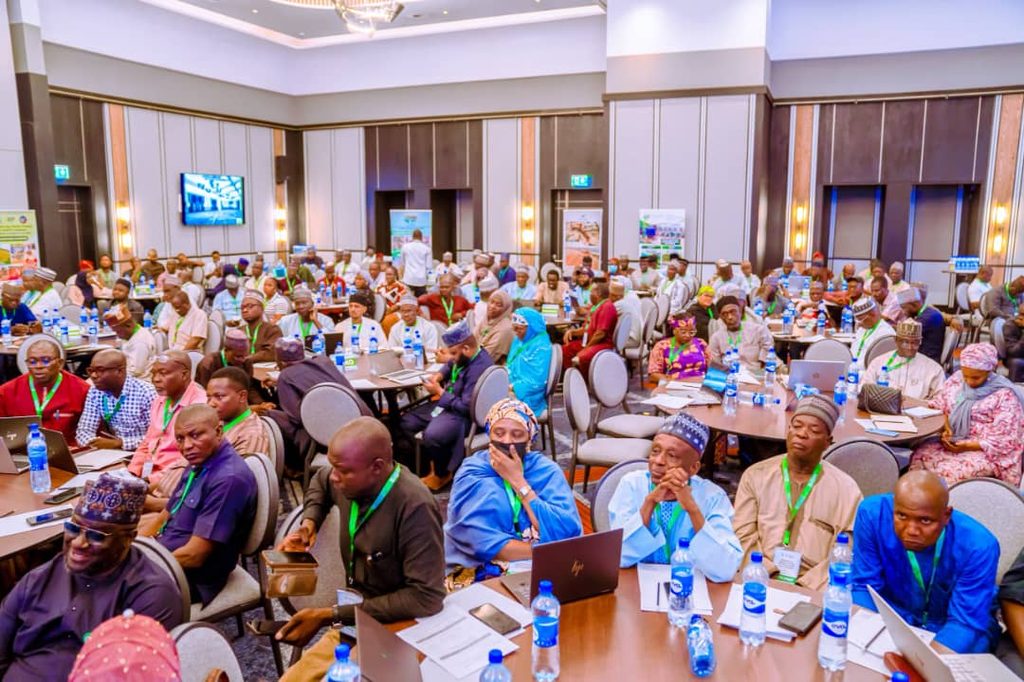
The mission, held in Lagos, is designed to finalise preparations for the proposed $500 million additional financing, which will increase the project’s total funding to $1.2 billion. Deliberations will focus on procurement, fiduciary management, financial management (FM), and adherence to environmental and social framework requirements.
Speaking during the programme, Dr. Joy Iganya Agene, FNMGS, World Bank Senior Environmental Specialist and Task Team Leader (TTL), explained that the Lagos engagement seeks to resolve outstanding issues and ensure full implementation readiness for the additional financing.
She outlined three priority criteria required to access the additional funding: interstate coordination and engagement in implementing prioritised activities under Strategic Catchment Management Plans (SCMPs)—particularly among states sharing hydrological priorities; a government counterpart contribution of ₦1 billion from each participating state; and the establishment of state-level coordination and sustainability platforms backed by legislation and dedicated budgetary provisions.
Dr. Agene confirmed that all participating states have successfully met the interstate coordination criterion. However, she cautioned that any state failing to fulfil the ₦1 billion counterpart funding requirement will be ineligible to access the additional financing once it becomes effective. Furthermore, she emphasized the necessity of legally and financially backed sustainability mechanisms to ensure project achievements endure long after its lifespan.
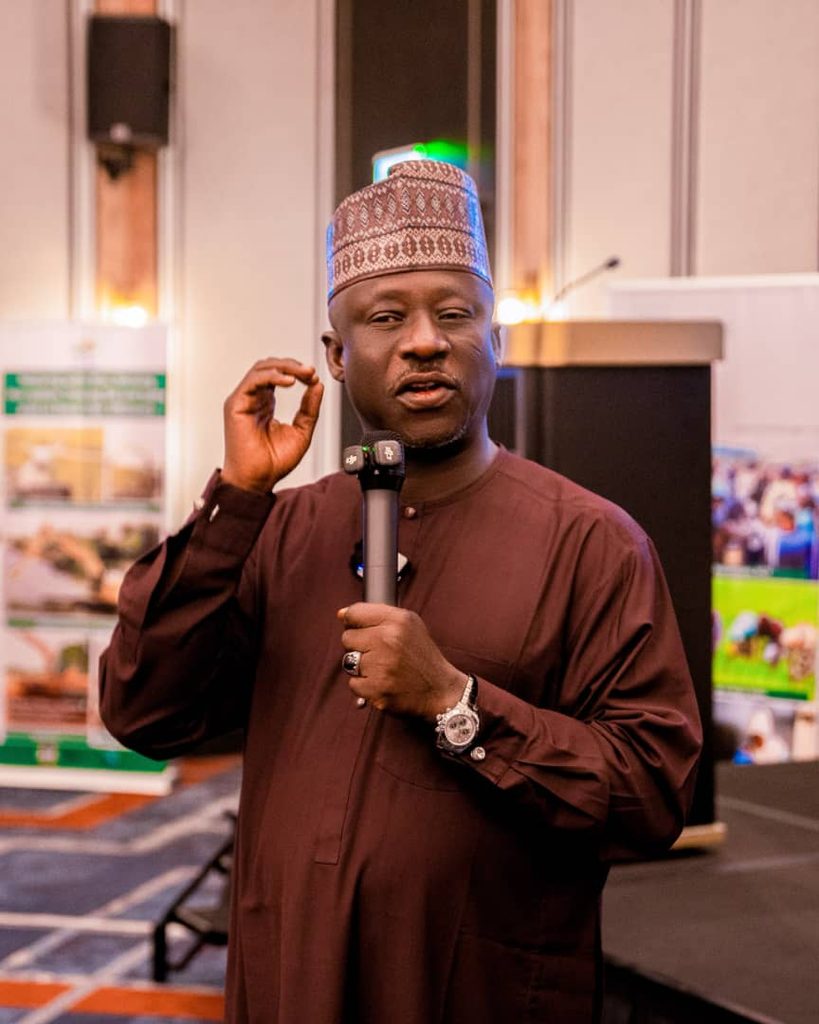
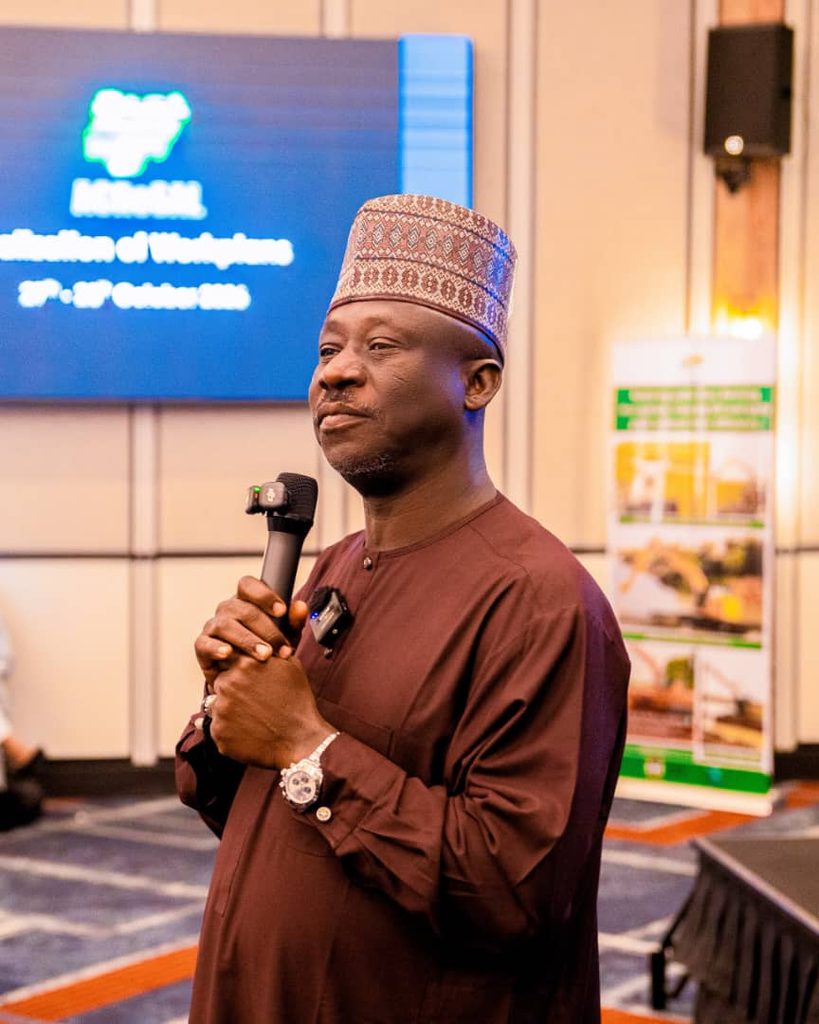
Earlier, the National Project Coordinator, Abdulhamid Umar, described the mission as a major milestone driven by the project’s strong performance over the last four years. He commended the Federal Government’s line ministries, departments, and agencies (MDAs) for providing the institutional support, technical guidance, and enabling environment that established a solid foundation for ACReSAL.
According to Dr. Umar, the project’s track record impressed development partners, reinforcing their commitment to provide the additional $500 million to scale up interventions. He explained that the review would focus on finalising and expanding investments, strengthening integration, and securing long-term sustainability. He stressed that the additional financing workplan must prioritize high-impact interventions that advance core project objectives over non-essential expenditures, such as the indiscriminate procurement of new vehicles.
He further disclosed that relevant project documents will undergo review to align with ACReSAL’s evolving goals and strategic priorities. The National Project Coordinator expressed confidence that the workshop would produce practical, sustainable workplans capable of expanding project impact, building community resilience, and preserving development gains for future generations.
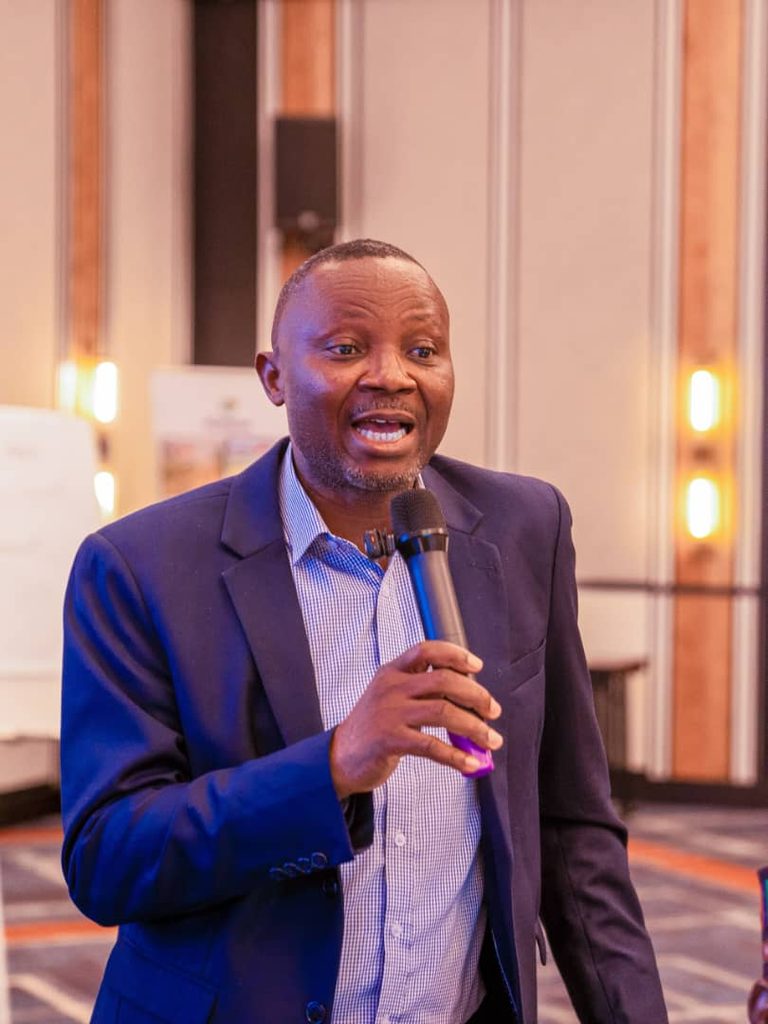
In his remarks, the Senior Water Resources Management Specilist World Bank and ACReSAL Co-Task Team Leader, Engr. Chinedu Umolu highlighted the five-day programme as a critical opportunity to consolidate achievements and address areas needing improvement. He noted that the project’s progress underscores the importance of maintaining momentum, urging participants to craft realistic, well-coordinated workplans that reflect ACReSAL’s broader goals and ensure smooth execution.
Engr. Chinedu commended the ACReSAL team’s dedication to continuous improvement, expressing optimism that the sessions would refine implementation plans, foster stronger institutional coordination, and yield greater overall results.
Ultimately, the workshop is expected to boost implementation readiness, enhance institutional synergy, and position ACReSAL to deliver deeper environmental and livelihood benefits across all participating states.