
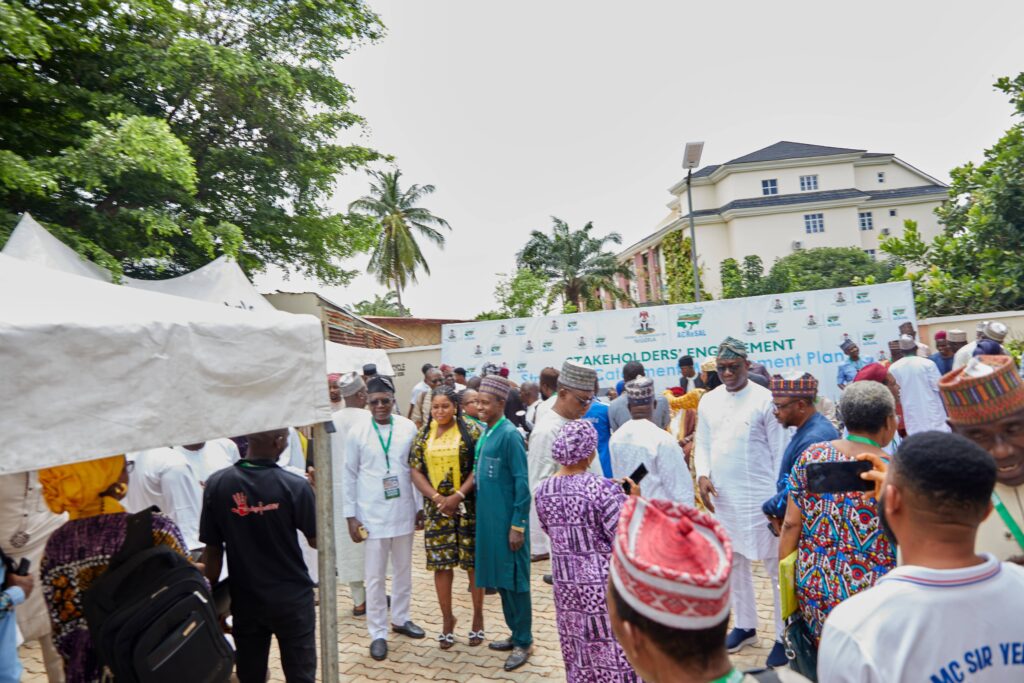
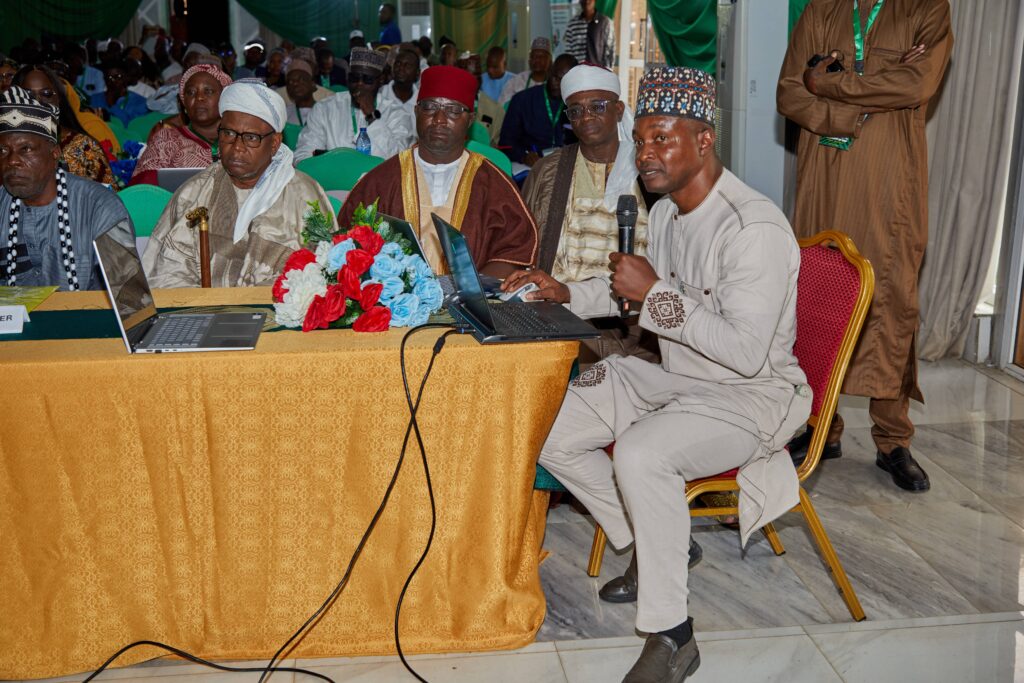
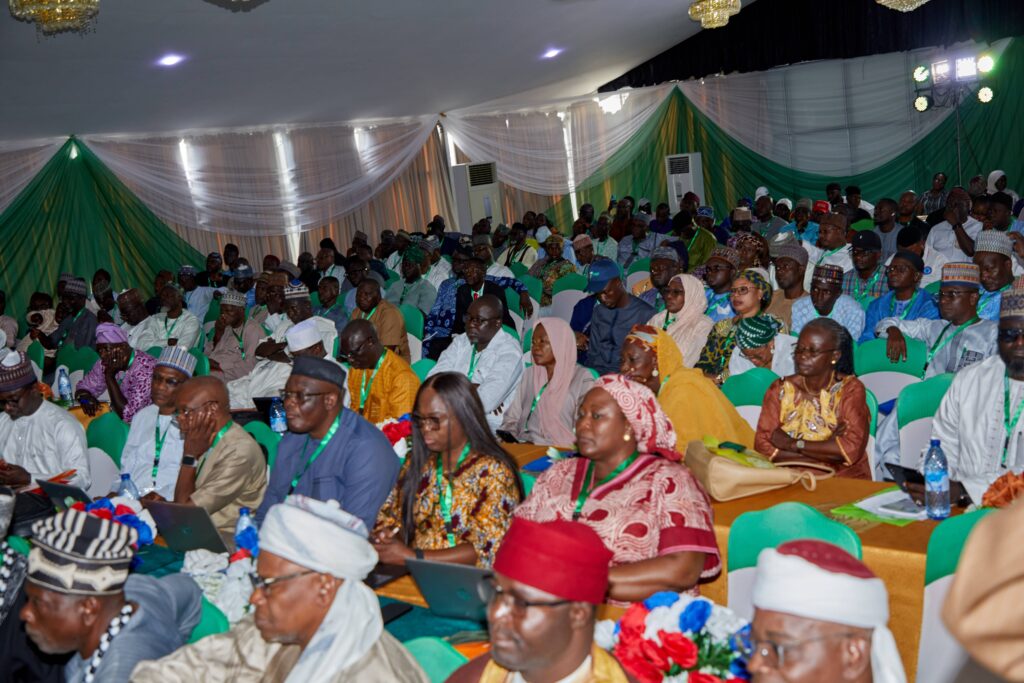
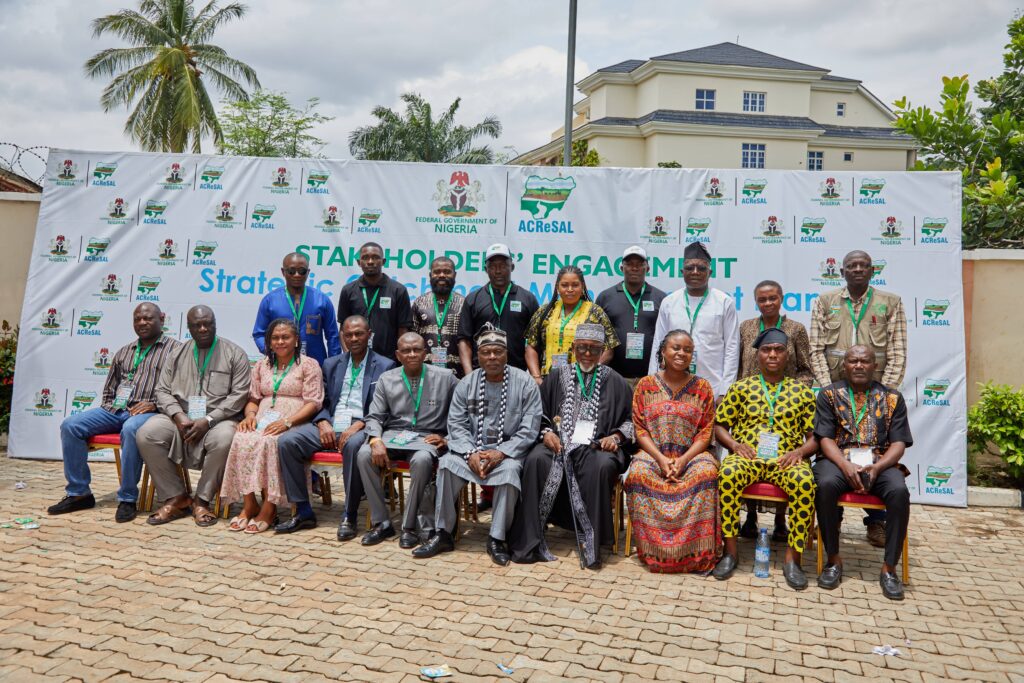
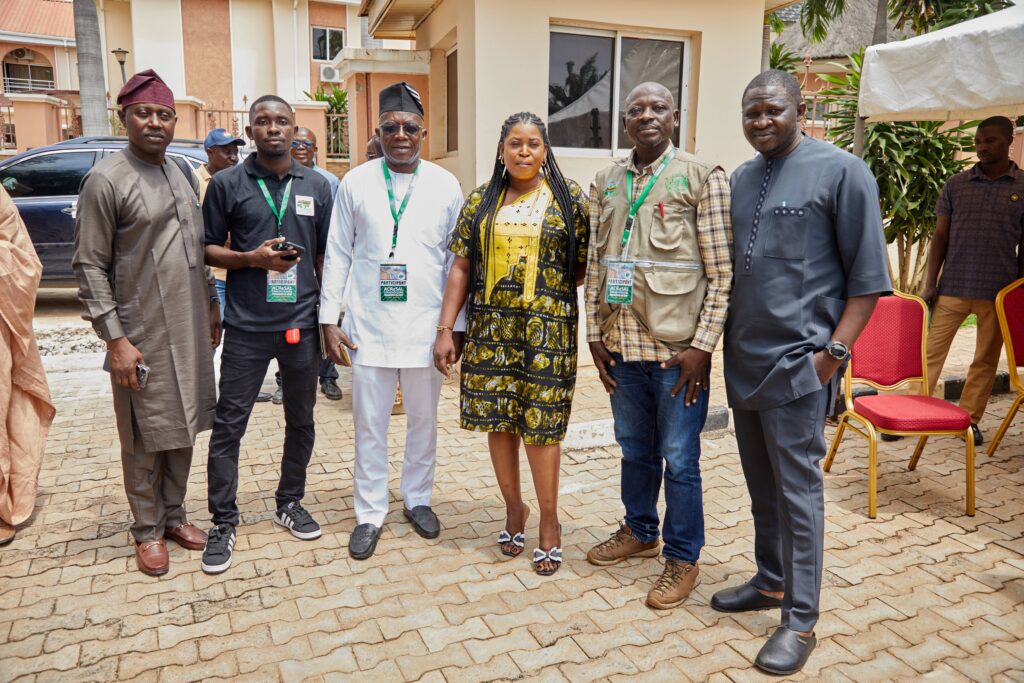
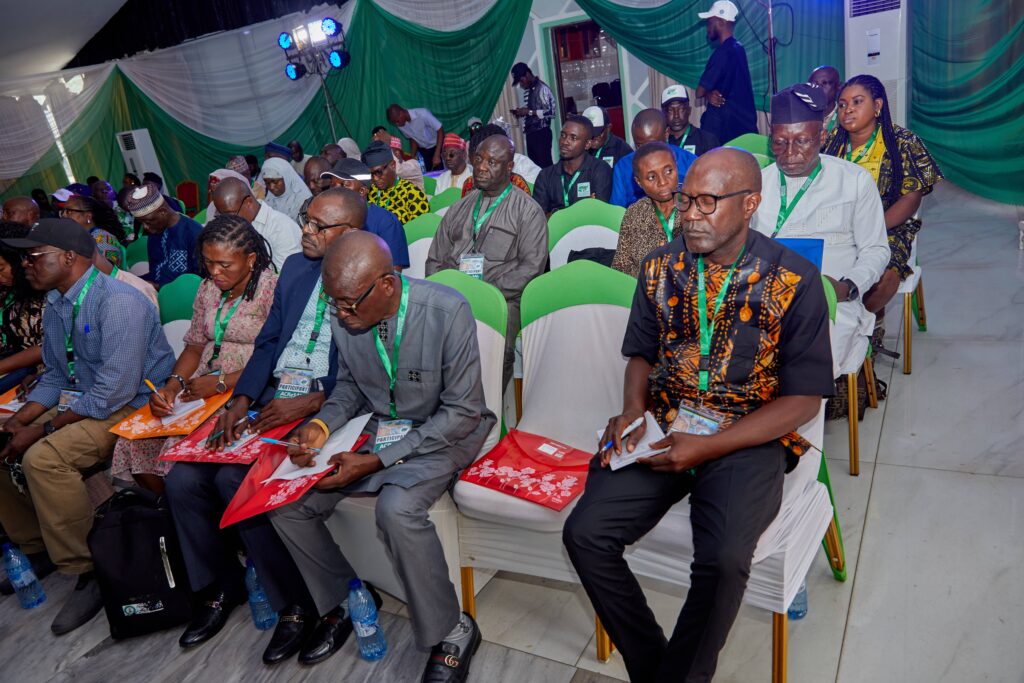
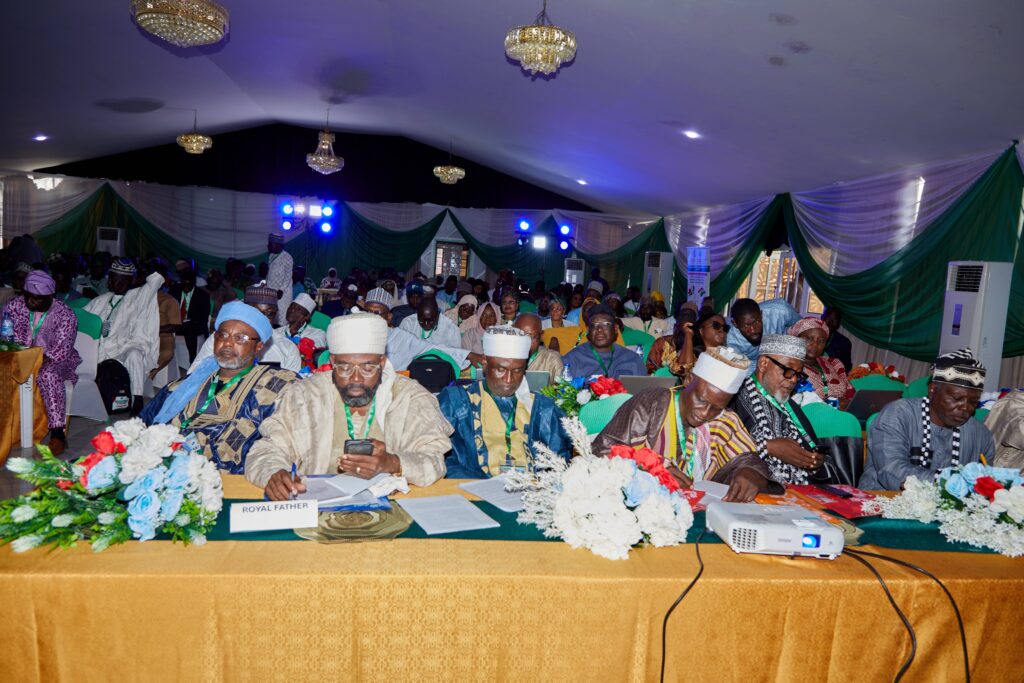
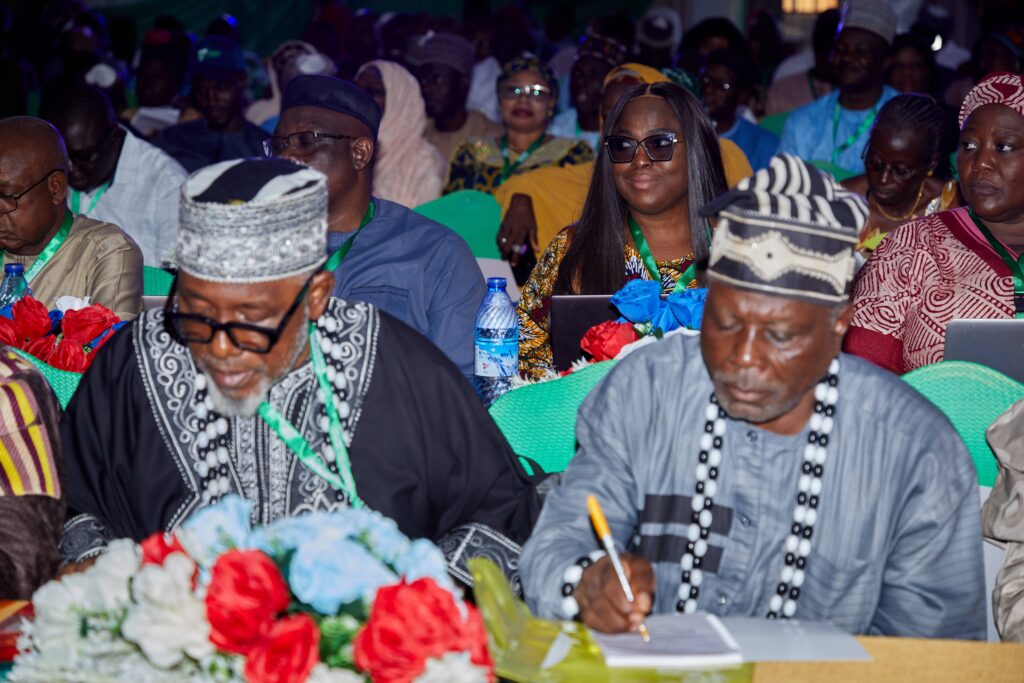
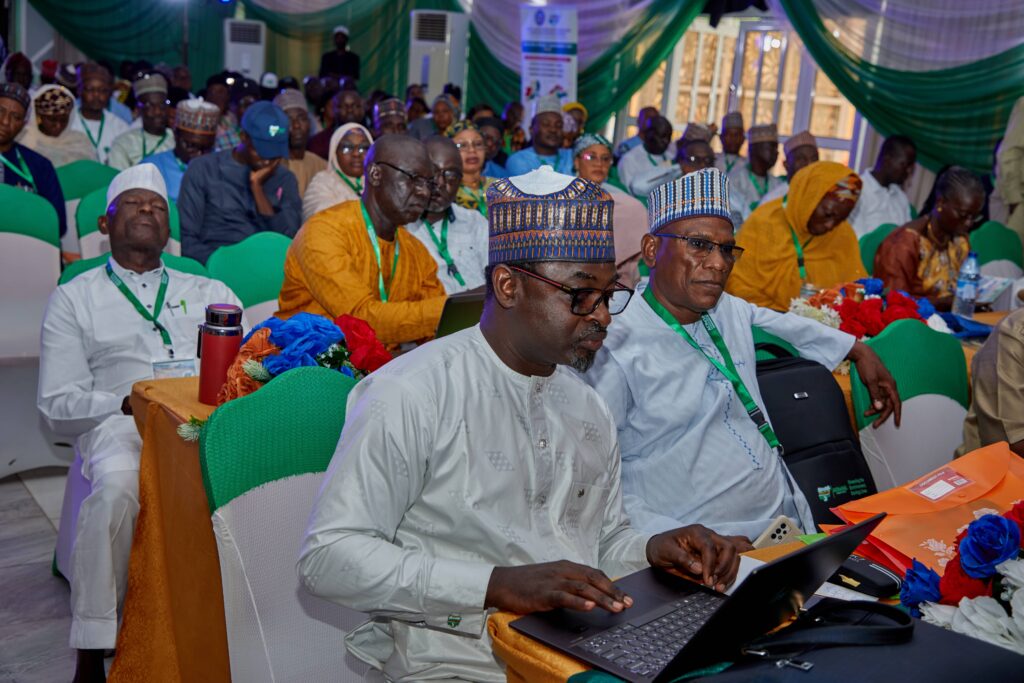
The Benue State Agro-Climatic Resilience in Semi-Arid Landscapes (ACReSAL) team is actively participating in a high-level stakeholders’ engagement for the development of Strategic Catchment Management Plans (SCMPs) for Sarkin-Powa–Kaduna, Okwa–Mada, Lokoja–Niger, and Aloma–Ebonyi catchment areas. The engagement is being held at Edgedrive Hotel, Lokoja, Kogi State, bringing together representatives of ACReSAL participating states, Academia, technical experts, traditional institutions, and development partners.
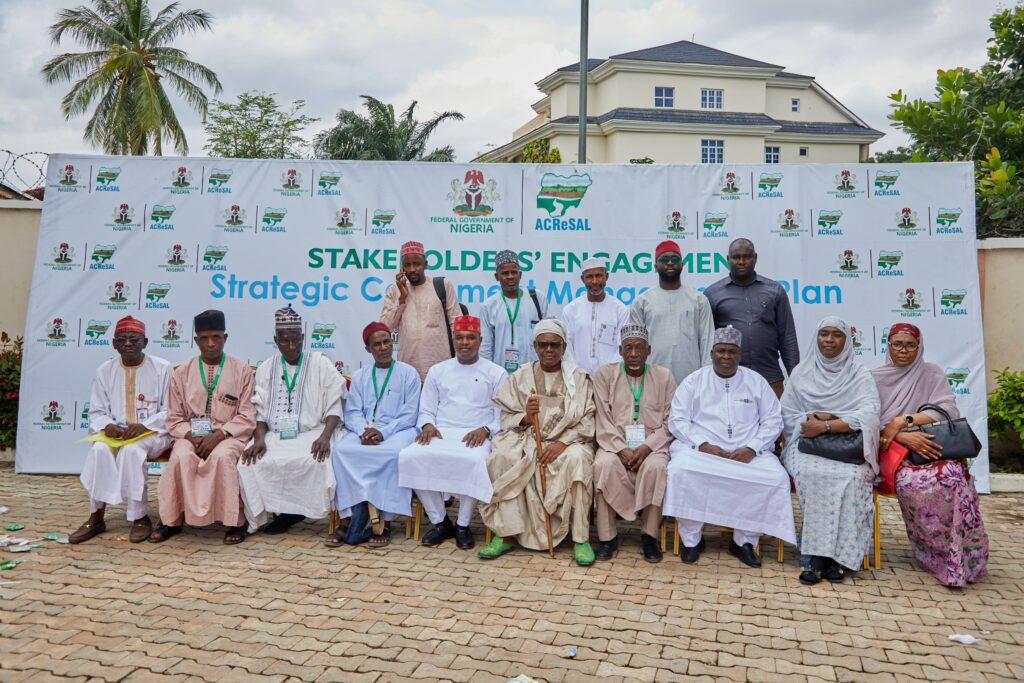
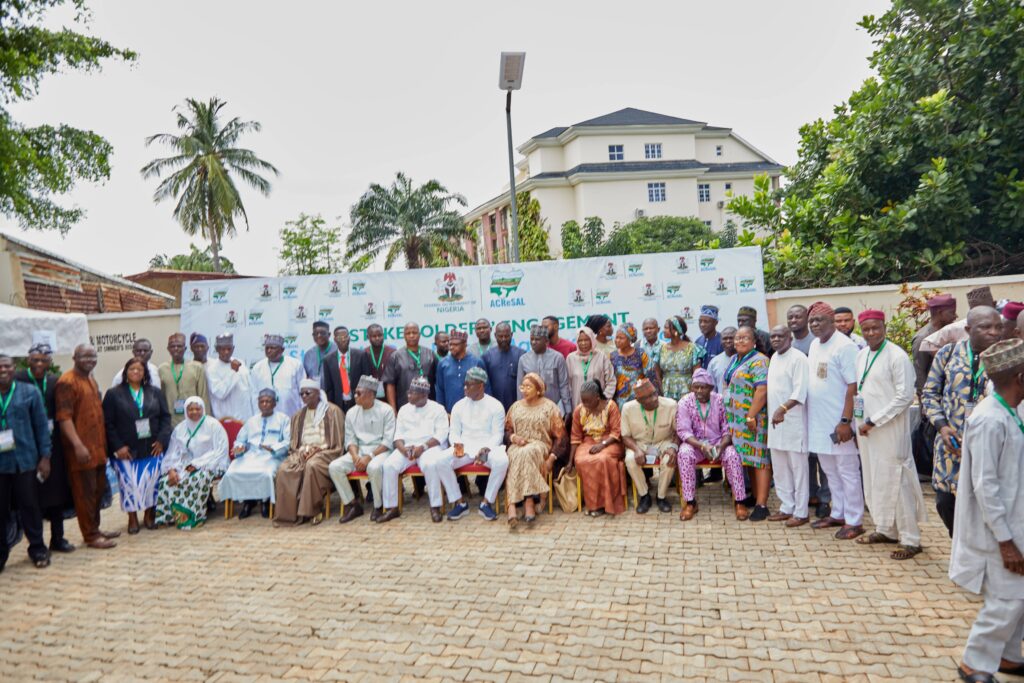
Catchment Management Plans are a vital framework for the sustainable use, protection, and rehabilitation of water catchments. In Northern Nigeria, where climate variability, land degradation, and water scarcity threaten livelihoods, SCMPs offer a holistic approach to water resource management. They ensure that land and water use are planned in a way that reduces erosion, improves agricultural productivity, protects biodiversity, and supports community resilience against climate change impacts.
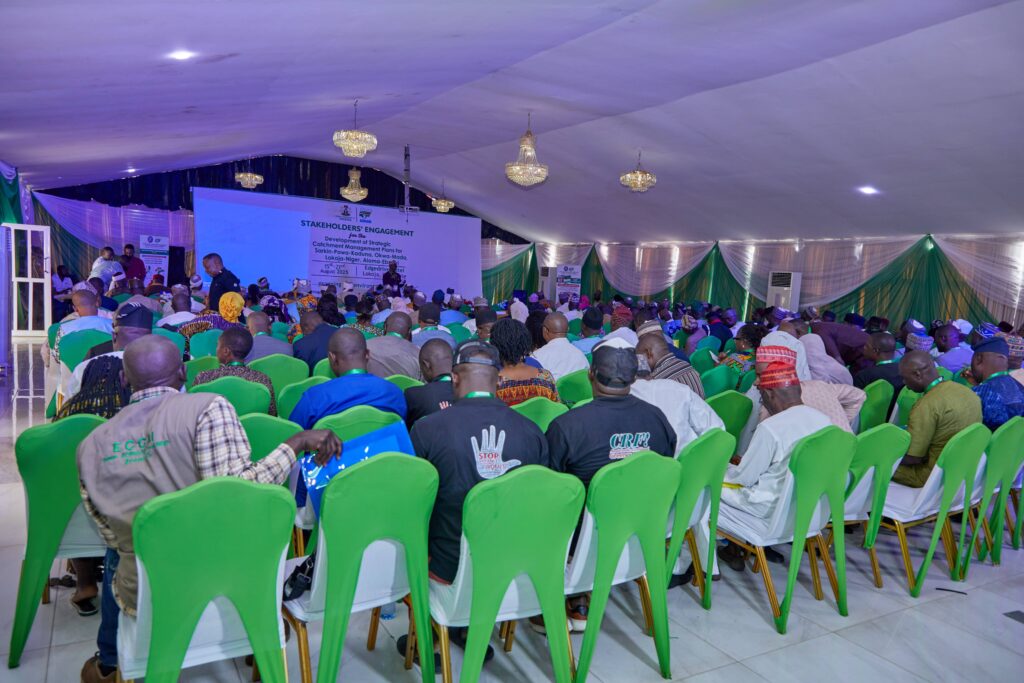
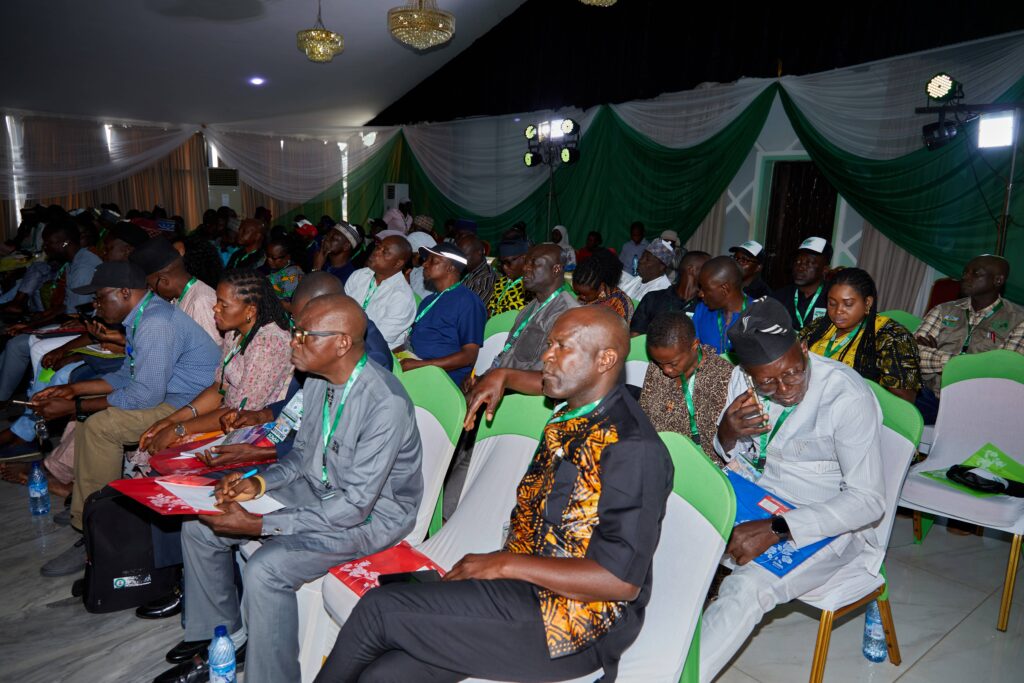
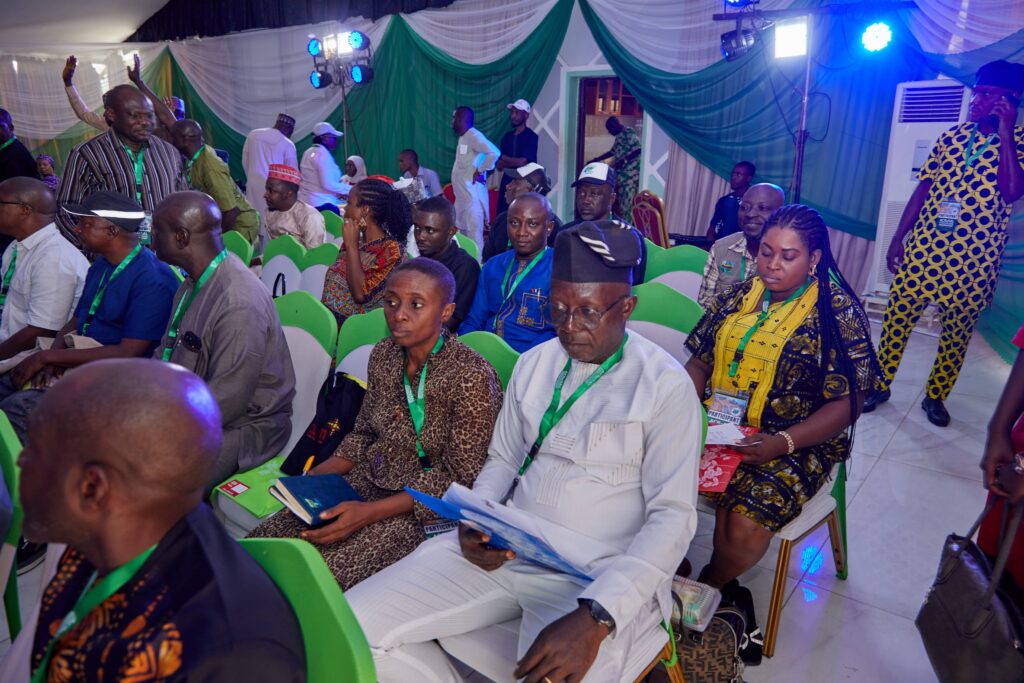
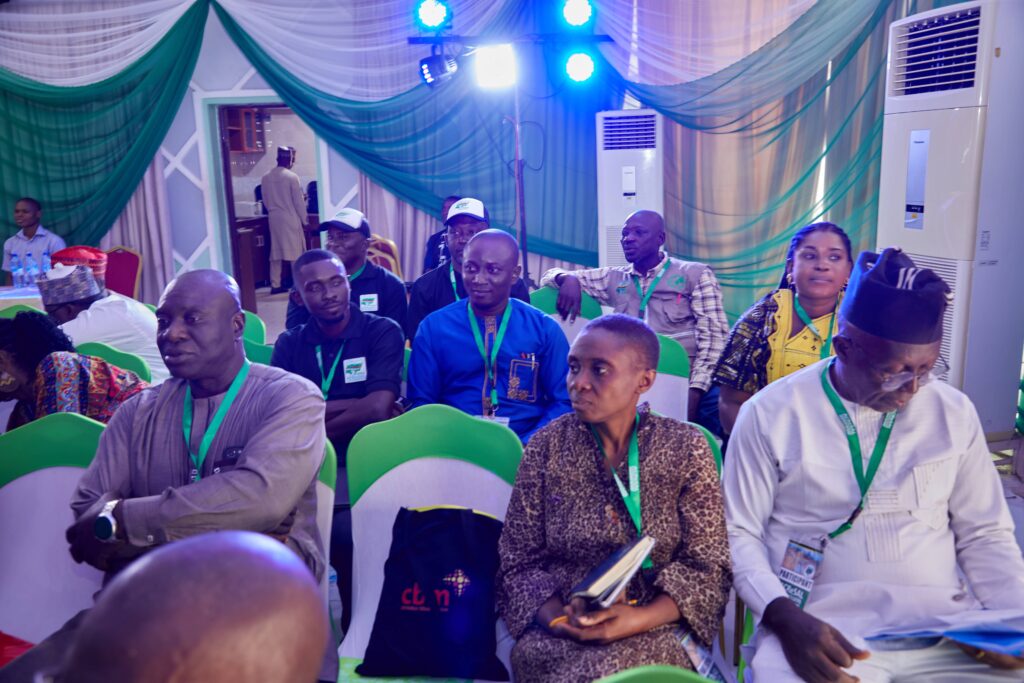
The ACReSAL Project, supported by the World Bank, the Federal Government of Nigeria, and participating states, aims to address environmental degradation and promote sustainable livelihoods in semi-arid landscapes. By developing SCMPs, the project is creating a roadmap for effective watershed management, aligning with global best practices.
The Lokoja engagement provides a platform for cross-state learning, with each participating state sharing insights and experiences in managing its respective catchments. This collaborative approach is expected to produce actionable plans that address shared challenges such as deforestation, overgrazing, and unregulated water use.
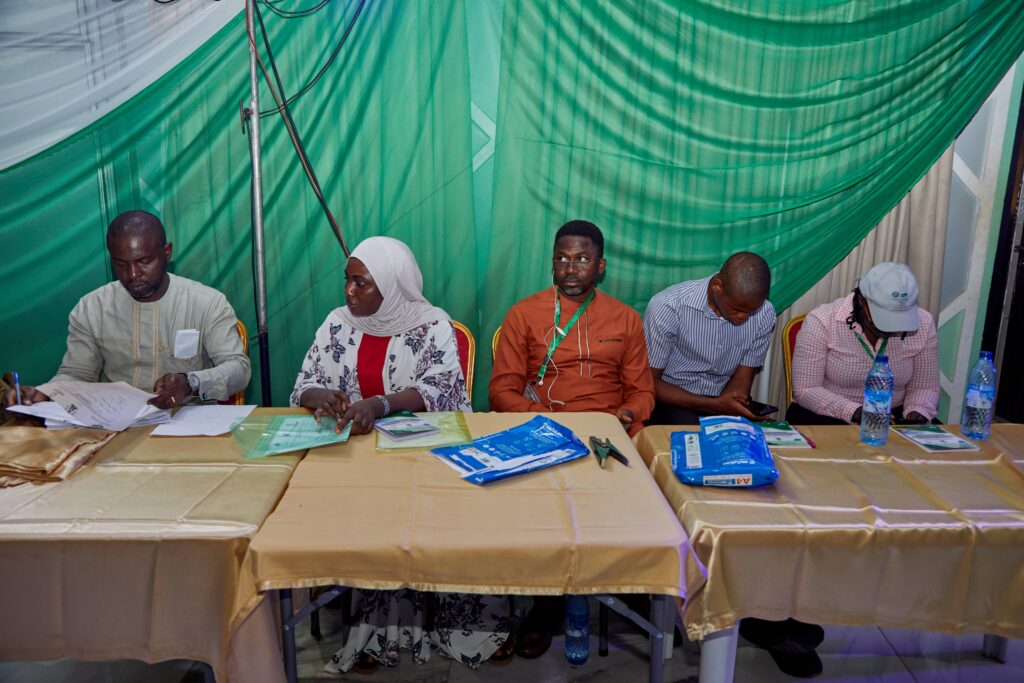
Participants are expected to highlight the long-term benefits of SCMPs, including improved water availability, enhanced soil fertility, increased crop yields, and reduced flooding risks. The plans will also strengthen institutional capacity for catchment governance, ensuring that state and local authorities can sustainably manage natural resources for future generations.
The Benue ACReSAL team reaffirmed its commitment to ensuring that the outcomes of the engagement will be adapted to the specific needs of Benue State’s landscapes and communities. With strong partnerships between government agencies, communities, and development partners, the project is poised to make significant strides in restoring degraded ecosystems and improving rural livelihoods.