
JOS, Plateau State – For thousands of farmers, fishermen and rural families spread across Kwara, Kogi and Niger states, the Oshin-Oyi Catchment is more than a geographical landscape. It is the source of water, food, income and livelihoods. But years of flooding, deforestation, erosion and unsustainable land use are increasingly threatening the future of this critical ecosystem.
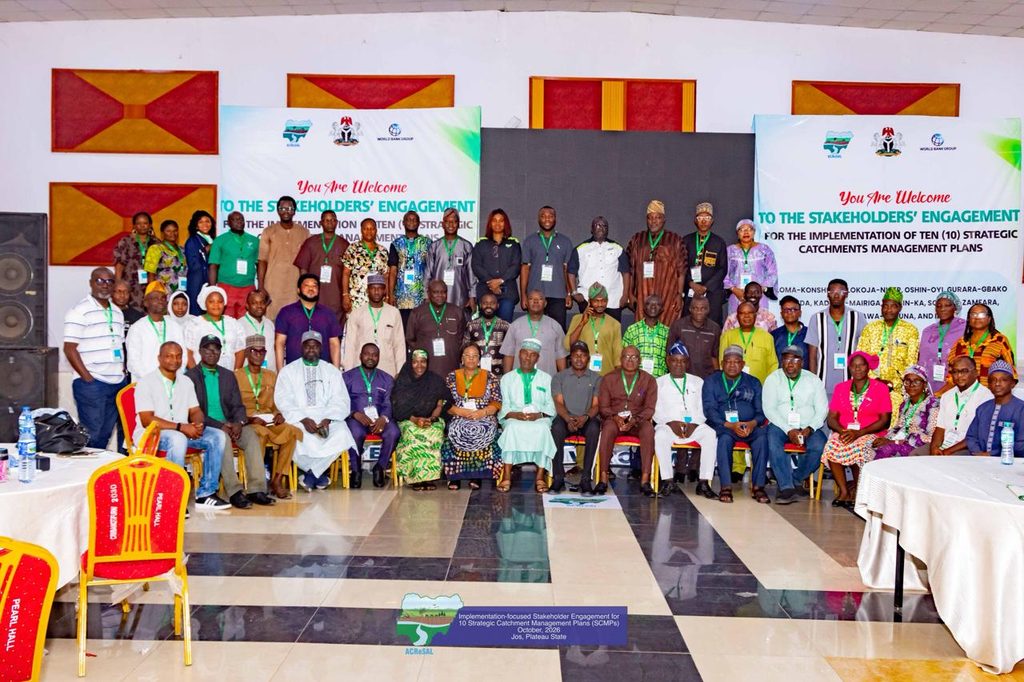
With a projected population of more than 15 million people by 2050, pressure on the catchment’s land and water resources is expected to intensify, raising concerns about food security, environmental sustainability and economic survival for communities that depend on it.


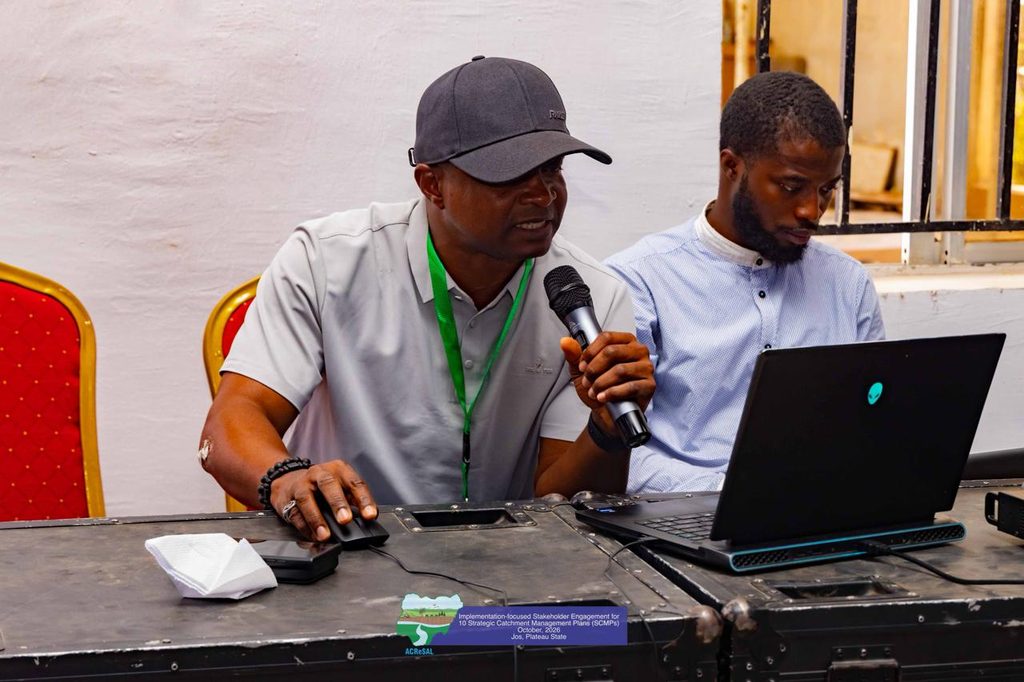
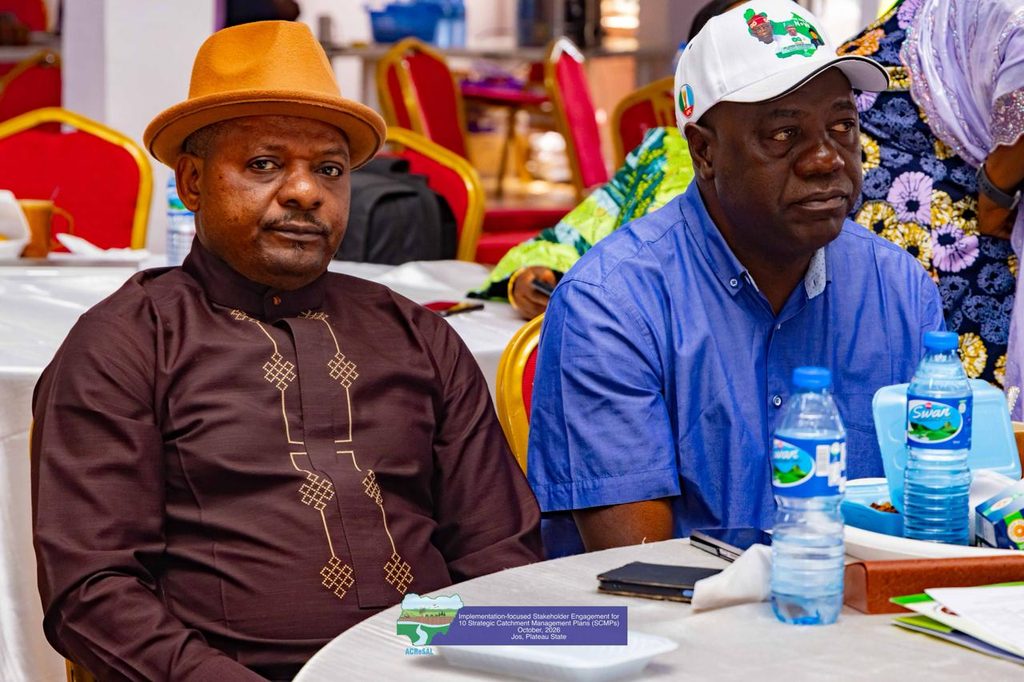

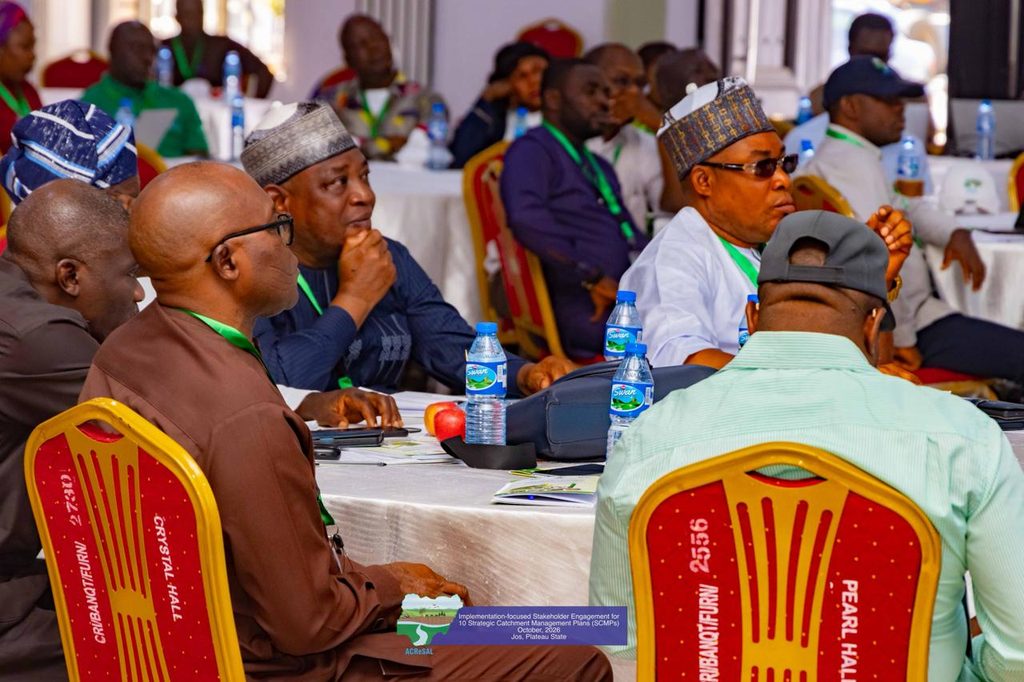
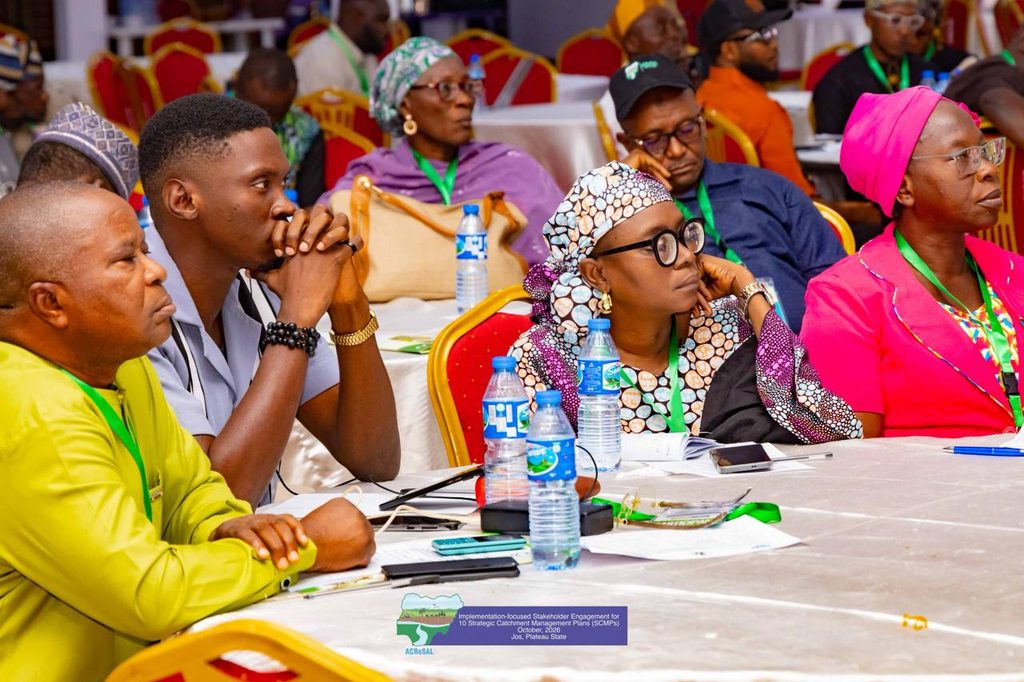
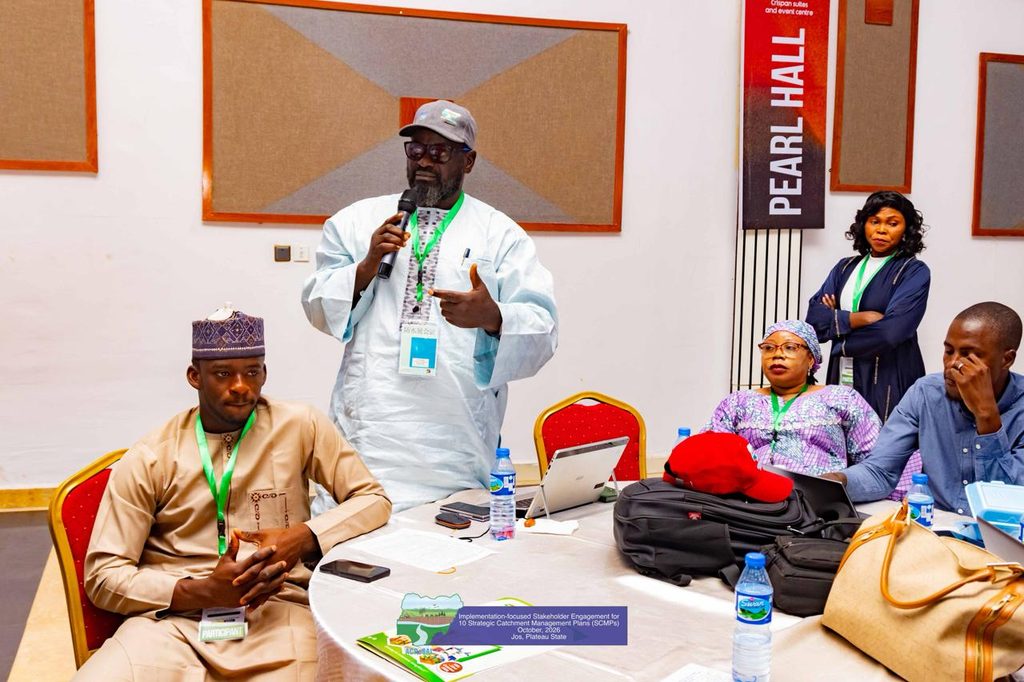
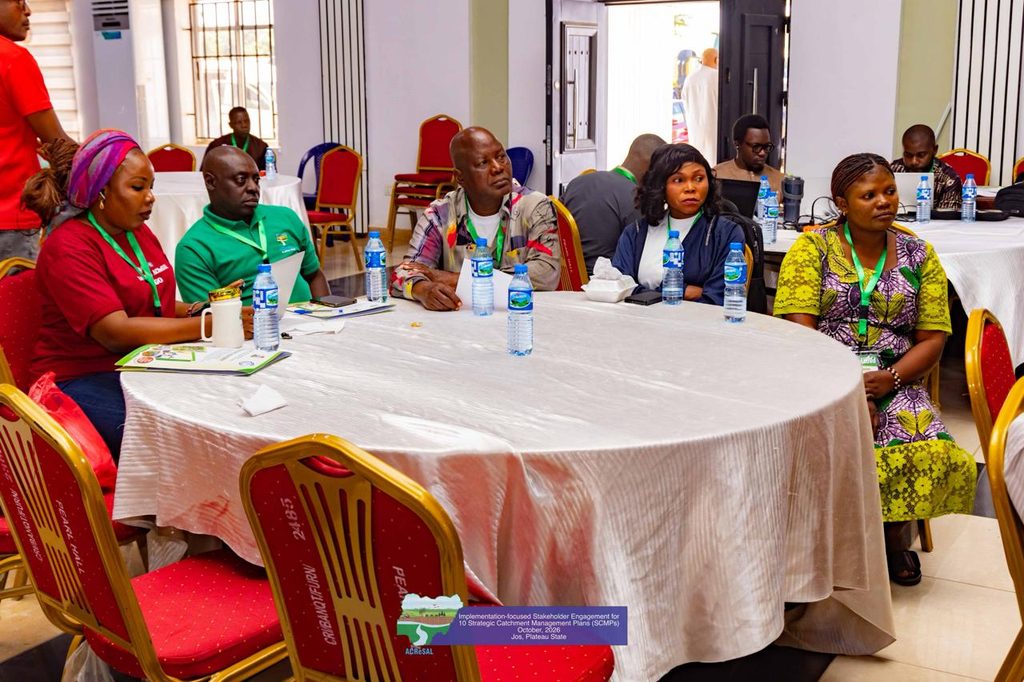
These concerns dominated discussions on the day 3 of the ongoing stakeholders’ engagement on the implementation of Strategic Catchment Management Plans (SCMPs) organised by the Agro-Climatic Resilience in Semi-Arid Landscapes (ACReSAL) Project in Jos.
Covering approximately 4.9 million hectares, the Oshin-Oyi Catchment stretches across parts of Kwara, Kogi, Nigerand states and supports key agricultural zones, livestock production systems and urban water supply networks. It also plays a significant role in national water security and climate-resilient development.
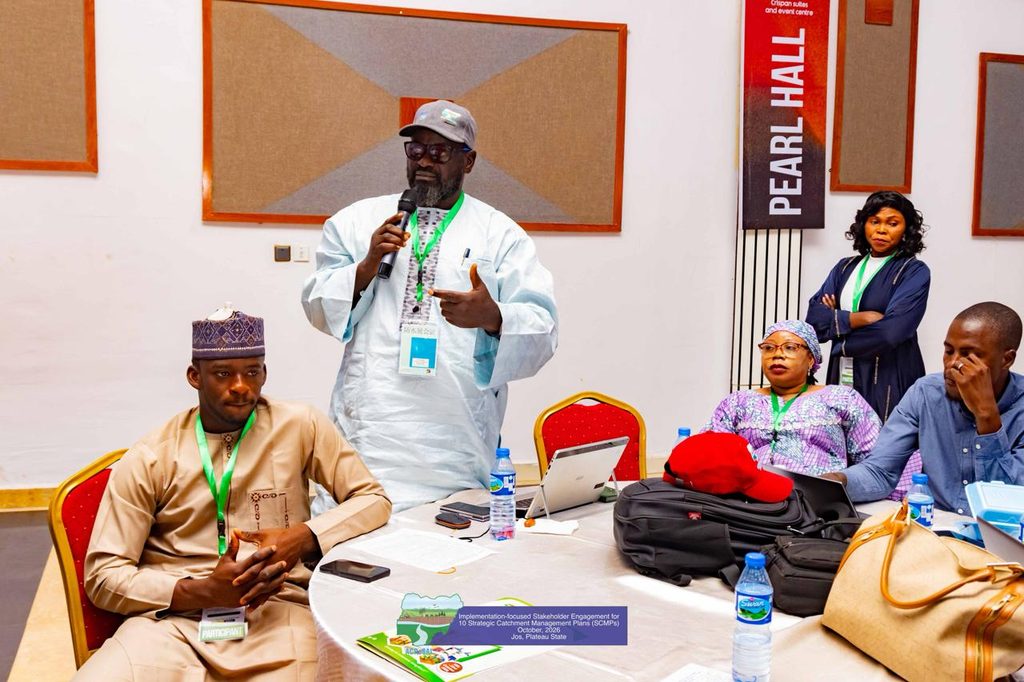
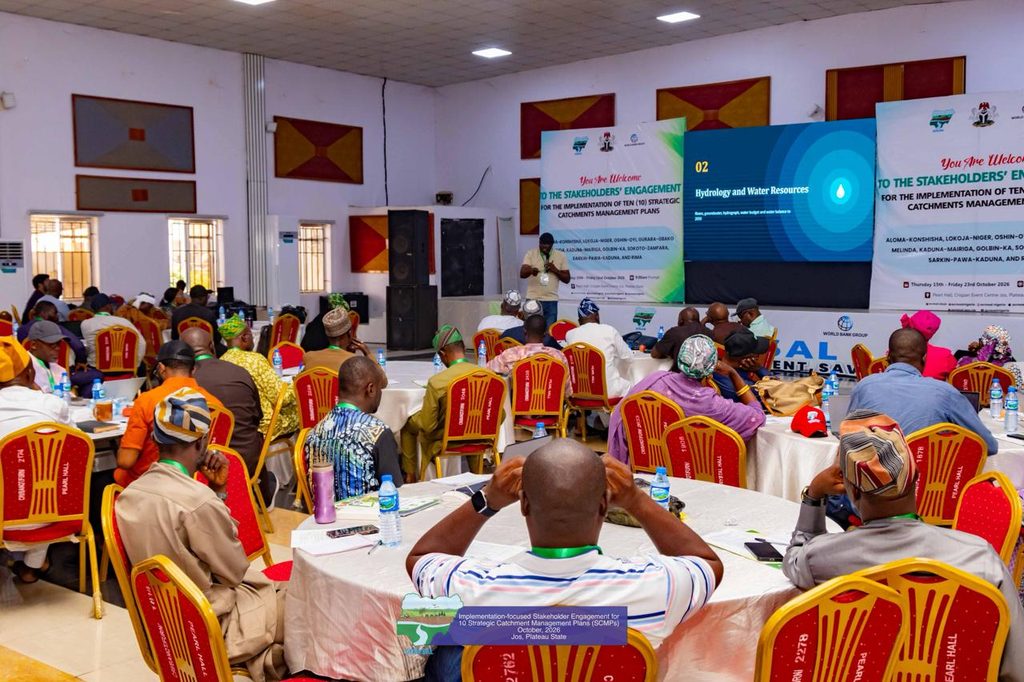
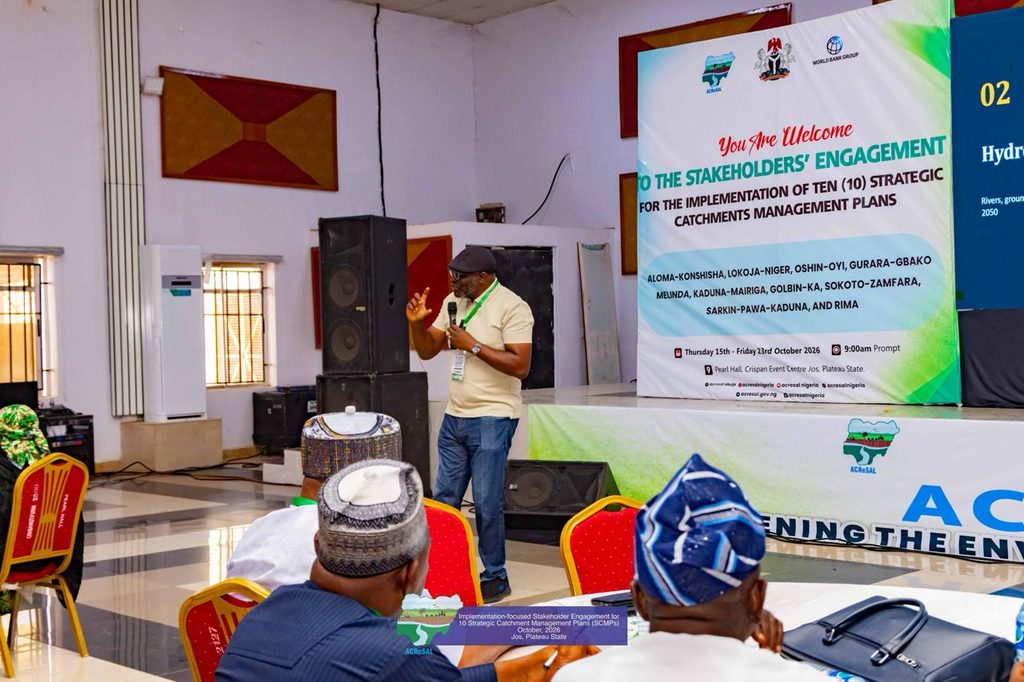
Presenting findings from the catchment assessment, Managing Director of MECON Geology and Engineering Services Limited, Mr. Chika Ofodile, noted that the area faces growing environmental challenges that require coordinated action from governments, communities and development partners.
According to him, the Strategic Catchment Management Plan provides a scientific framework for identifying environmental problems, prioritising interventions and guiding long-term restoration efforts.
Assessments presented during the engagement revealed that flooding remains a recurring threat in several communities, particularly those located along the River Niger floodplain corridor. Areas such as Mokwa, Edu, Pategi, Lavun and Borgu continue to experience seasonal flooding that destroys homes, farmlands and infrastructure.
Beyond flooding, land degradation is emerging as a major concern. Data presented by the National Centre for Remote Sensing (NCRS) showed that about 48 per cent of the catchment faces a high risk of soil loss, increasing the danger of erosion, sedimentation of rivers and declining agricultural productivity.
Scientists also observed a significant reduction in vegetation cover over recent years, an indication that deforestation and changing land-use patterns are weakening the catchment’s ability to withstand climate-related shocks.
In his presentation, Mr. Sam Oji of the National Centre for Remote Sensing (NCRS) explained that researchers relied on geospatial technology, satellite data, and scientific analysis to identify vulnerable locations and guide priority interventions.
For stakeholders, however, the challenge goes beyond understanding the problem. The focus is now on implementing solutions that can restore degraded landscapes and protect communities from future environmental disasters.
Among the priority interventions identified are gully erosion control, afforestation, flood management, river desiltation, climate-smart agriculture, improved access to clean water, watershed restoration and conflict mediation between resource users.The plan seeks to move beyond emergency responses and create a long-term system for protecting land and water resources across the catchment.
Through the active execution of the Oshin-Oyi Strategic Catchment Management Plan, stakeholders will directly drive far-reaching benefits, establishing improved and equitable water security, significantly reducing flood and drought risks, restoring vital ecosystems, and actively curtailing land degradation.
Furthermore, the initiative is securing cleaner water, driving higher agricultural productivity and climate resilience, fostering resilient and diversified livelihoods, reducing resource-based conflicts to build better social cohesion, and successfully mobilizing investment and sustainable financing for the region.
For ACReSAL and its partners, the mission to transform scientific findings into practical action is here. With a clear roadmap, united leadership, and robust community engagement, the Oshin-Oyi Catchment is poised to overcome its environmental hurdles. Rather than succumbing to vulnerability, the region is firmly on track to emerge as a shining model of climate resilience, sustainable development, and lasting prosperity for millions of citizens.
ACReSAL..greening the environment, saving lives