
Crispan Hotel, Jos
15th October, 2026
The Agro-Climatic Resilience in Semi-Arid Landscapes (ACReSAL) Project on Thursday, convened a strategic stakeholder engagement at Crispan Hotel in Jos, Plateau State, to accelerate the implementation of Strategic Catchment Management Plans (SCMPs) across the remaining 10 strategic catchments in northern Nigeria.
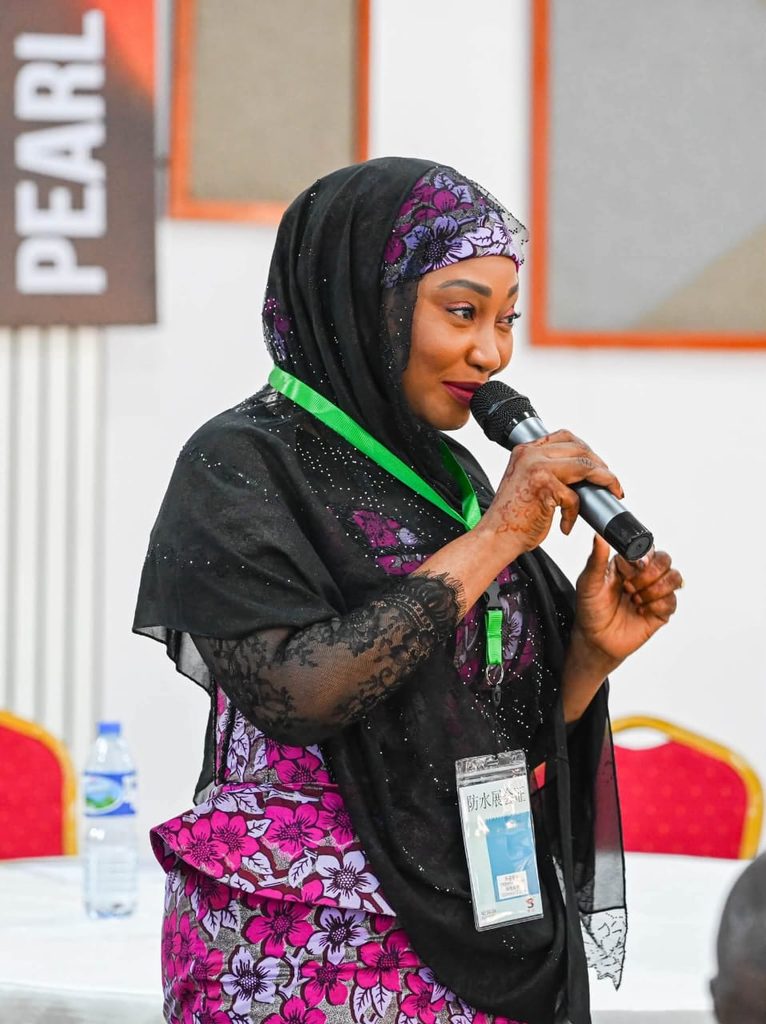
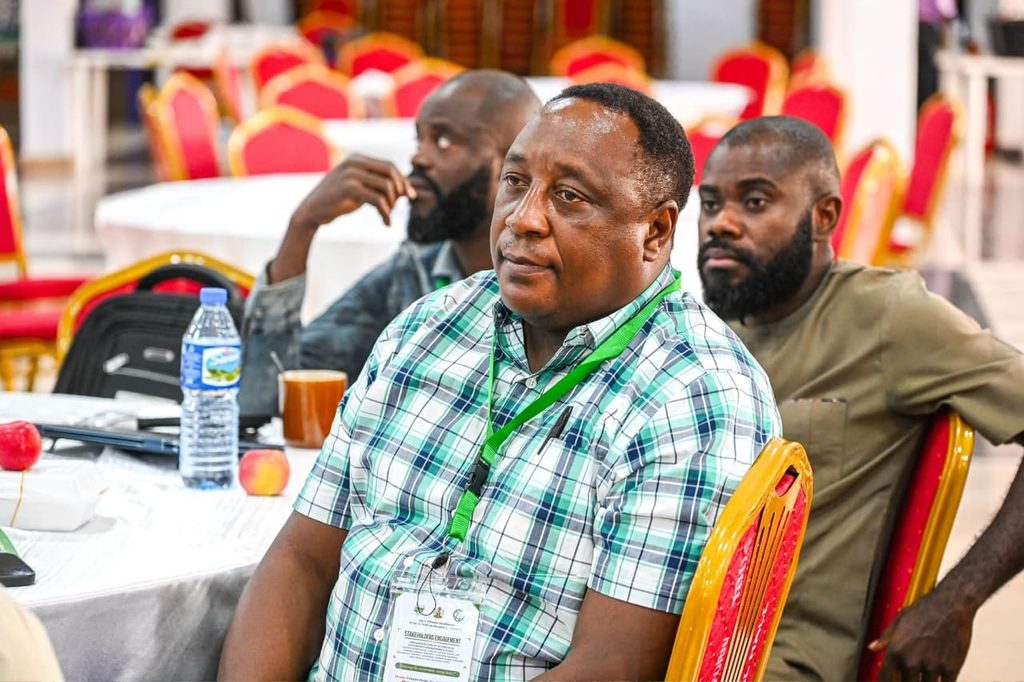
The engagement brought together representatives of participating states; federal and state ministries, departments and agencies; River Basin Development Authorities; traditional institutions; development partners; consultants; academia; and civil society organisations to identify, validate and prioritise high-impact environmental interventions.
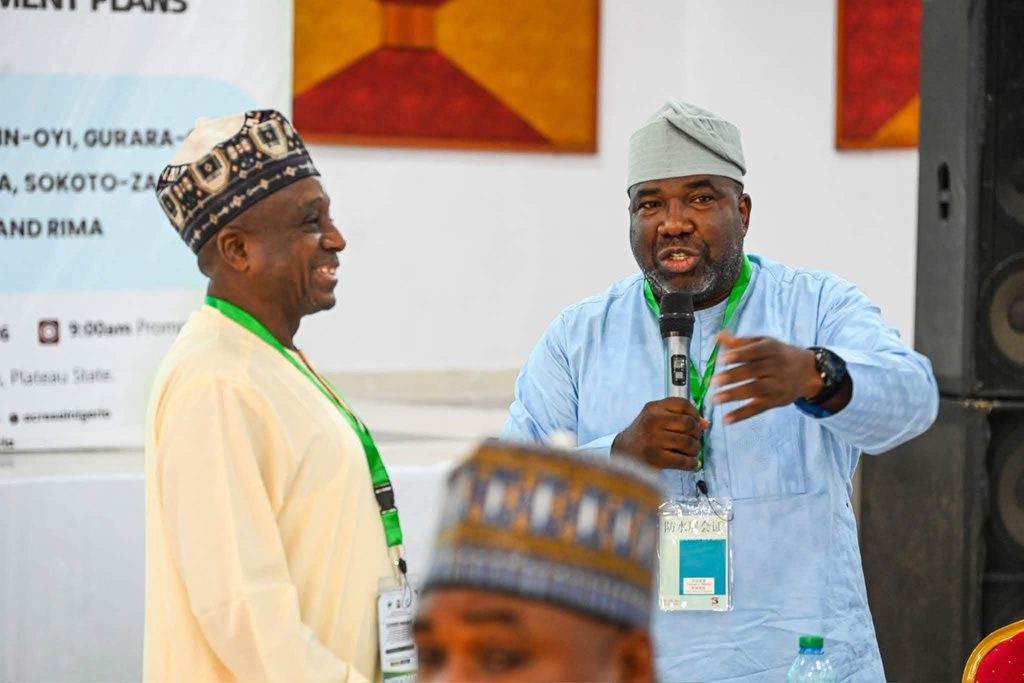
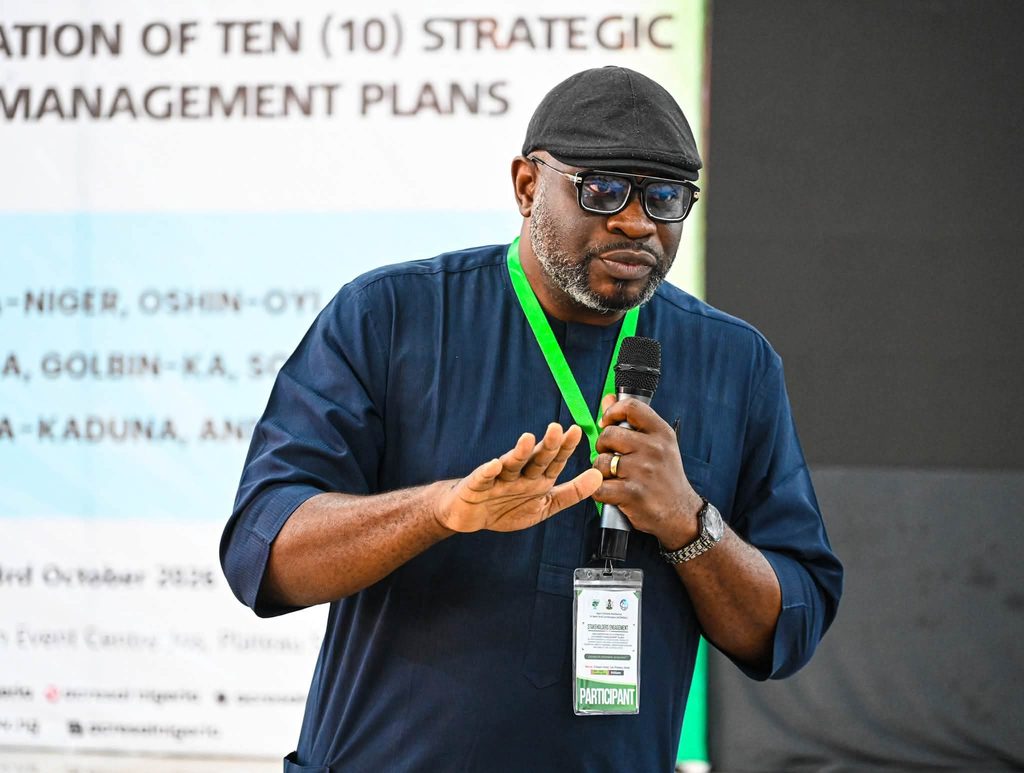
The opening day discussions focused on the Aloma-Konshisha and Lokoja-Niger catchments, which involve Benue, Kogi and Plateau states.
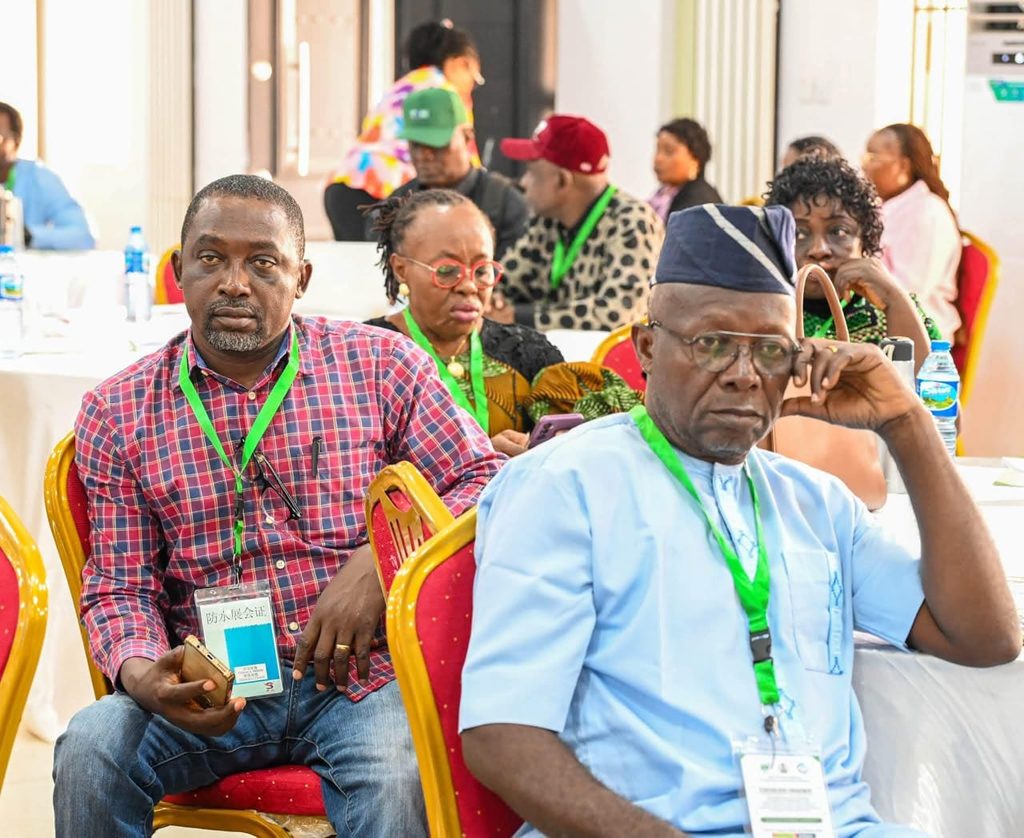
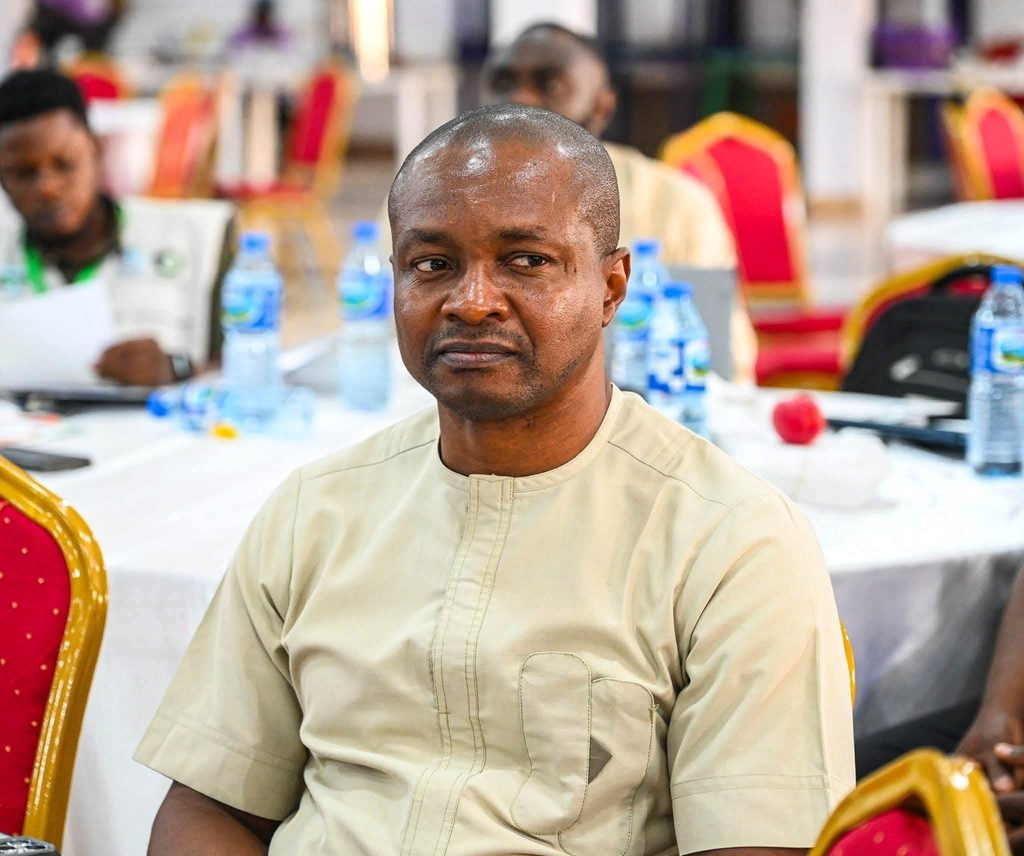
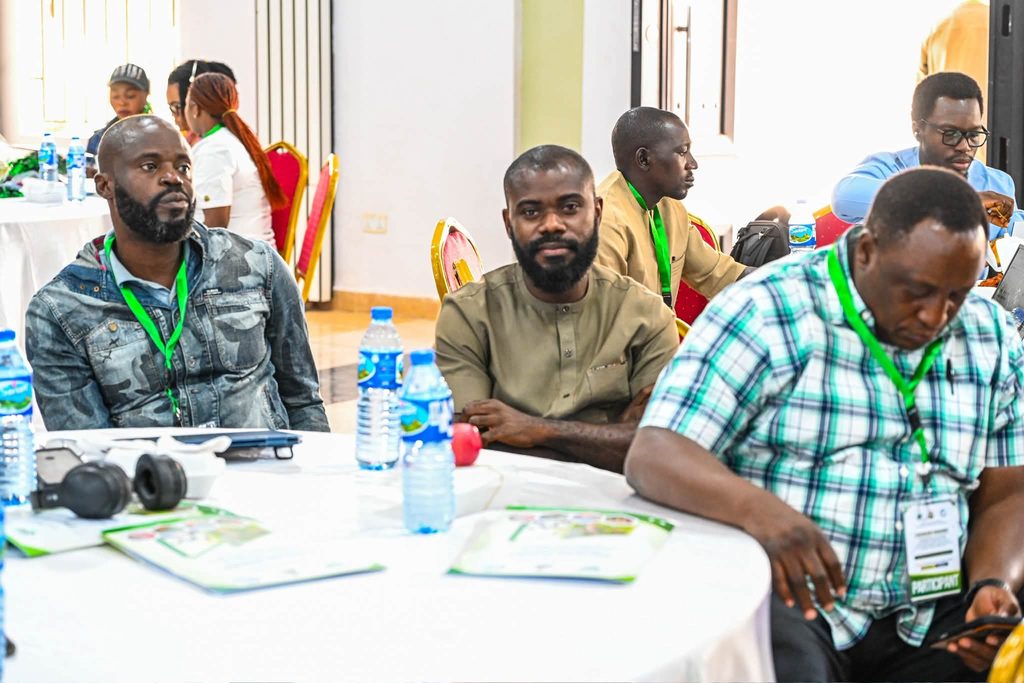
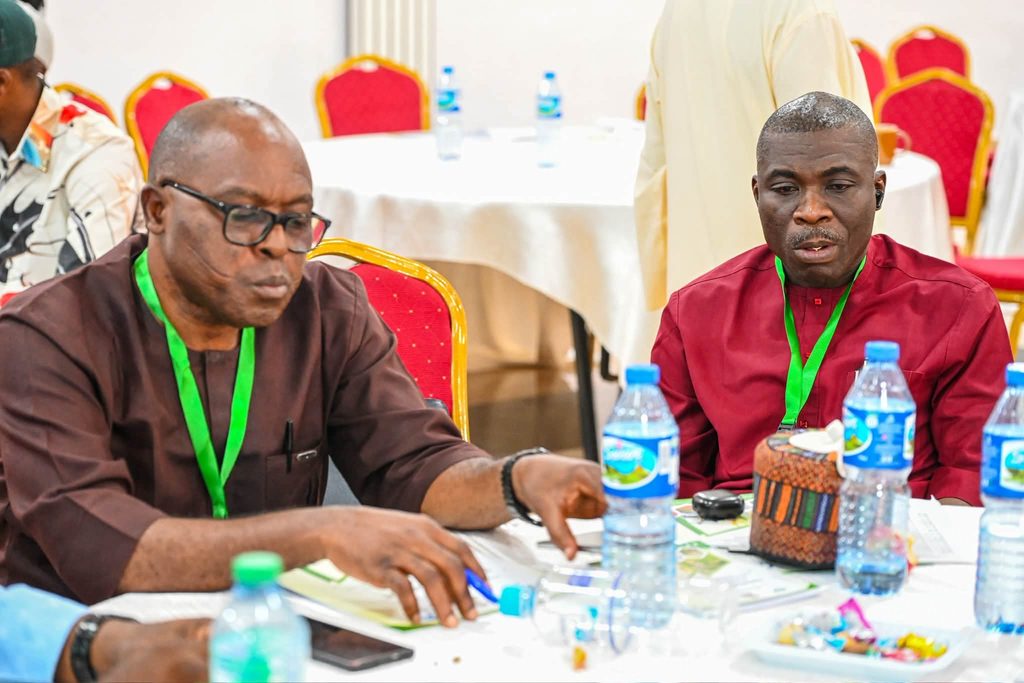
In her address at the event, the ACReSAL Task Team Leader and World Bank Senior Environment Specialist, Dr Joy Iganya Agene, described the engagement as a significant step towards advancing the project under the proposed $500 million additional financing (AF), which would bring total project financing to $1.2 billion.
She emphasised the need for interstate collaboration, noting that effective catchment management must transcend political and administrative boundaries because activities upstream directly affect communities downstream.
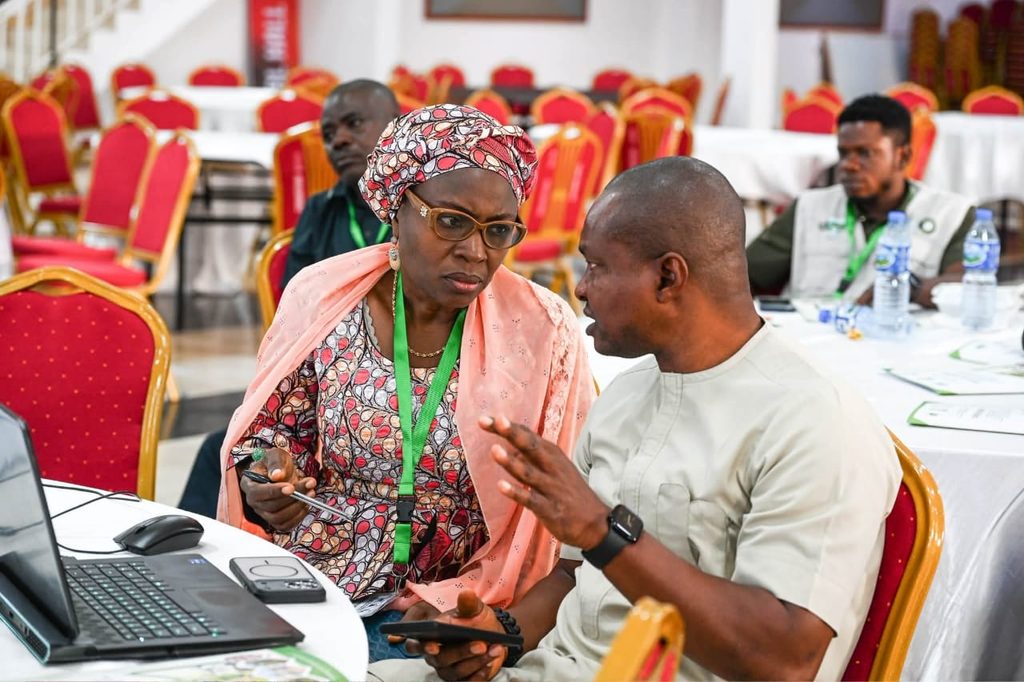
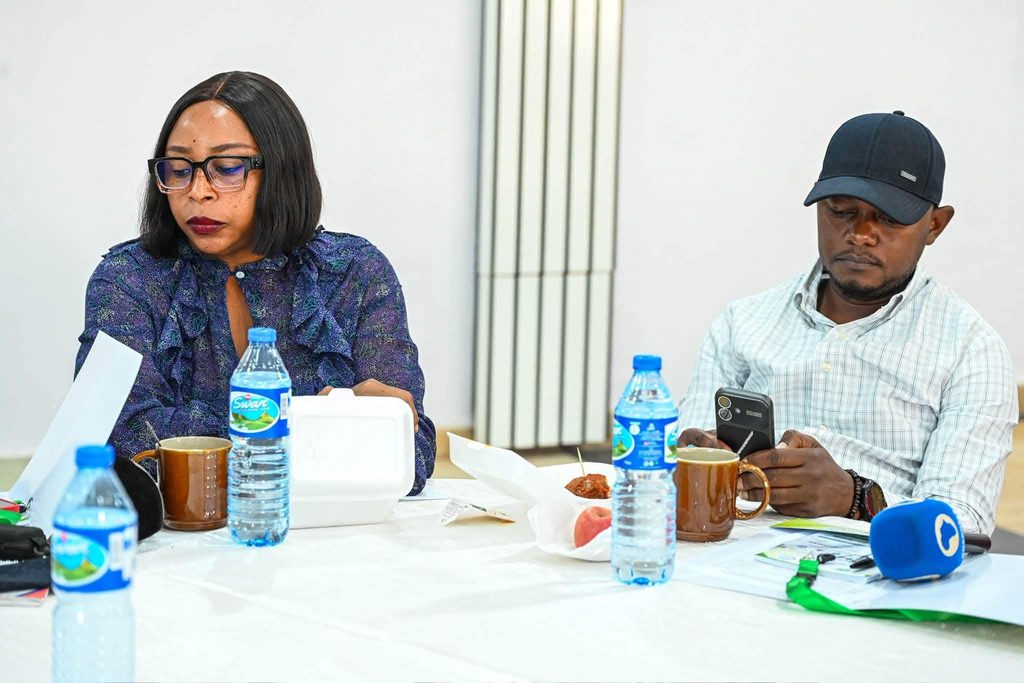
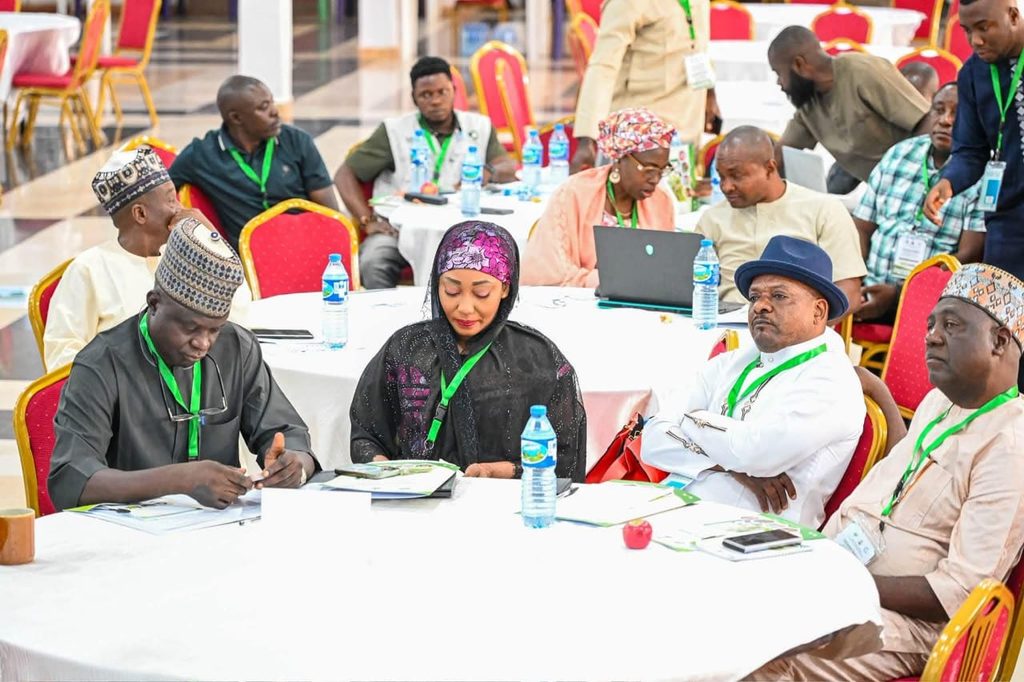
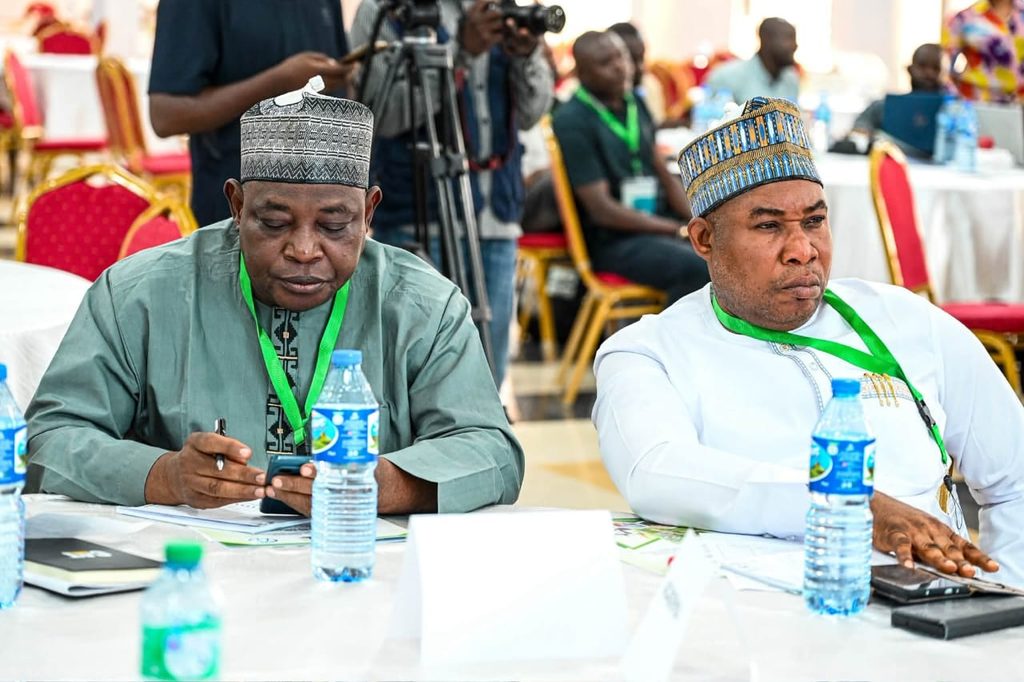
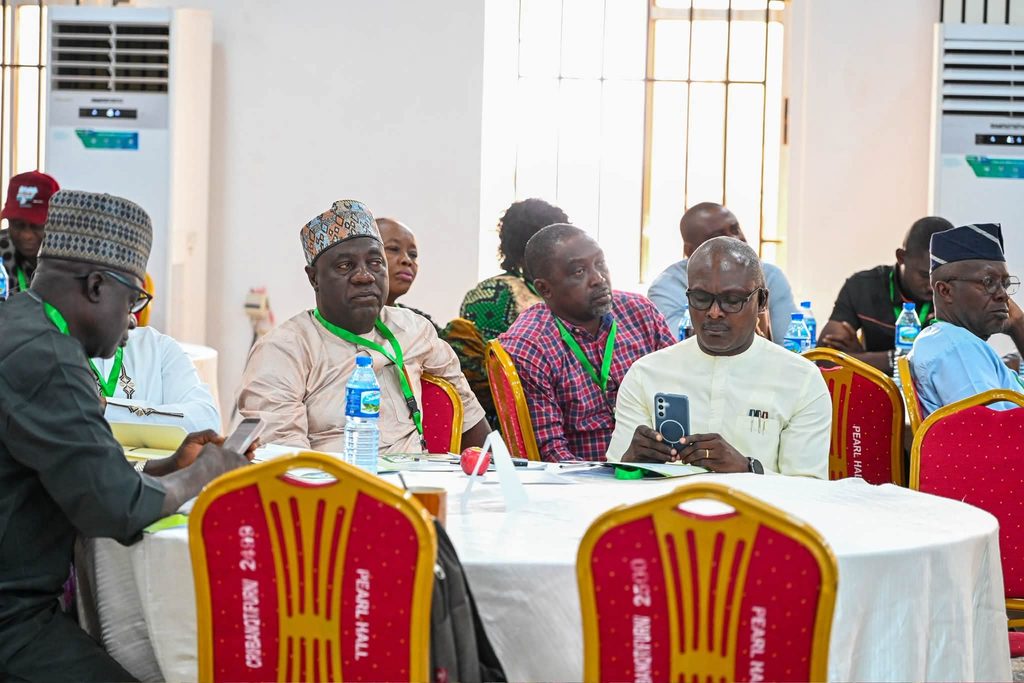
Earlier, the National Project Coordinator of ACReSAL, Abdulhamid Umar, Who was represented by the Water Resources Management Specialist, Shettima Adams explained that the engagement marked the final round of consultations on the remaining 10 of the 20 SCMPs developed under the project. He said the exercise was aimed at reviewing proposed investments and prioritising interventions that are feasible, sustainable and responsive to community needs.
The agreed priorities would subsequently be presented to state-level decision-makers to secure policy alignment, government endorsement and budgetary support, Umar noted.
Technical presentations by the Managing Director of MECON Geology and Engineering Services Limited, Mr. Chuka Offodile, and Mr. Ojih Samuel of the National Centre for Remote Sensing, Jos, highlighted the importance of accessible GIS resources and scientific data in guiding intervention planning.
The Speakers stressed that field validation and local knowledge would remain essential to determining suitable intervention sites.
Participants subsequently held breakout sessions to identify and rank priority issues relating to water security, land degradation, flooding, erosion, ecosystem restoration, agricultural productivity and community livelihoods. Deliberations also addressed institutional responsibilities, coordination mechanisms and monitoring frameworks to ensure effective implementation across state boundaries.
The outcomes are expected to guide further consultations with state decision-makers and support the selection of priority interventions for implementation.
Through accelerated execution of the SCMPs, ACReSAL aims to restore degraded landscapes, improve water security, reduce environmental risks, enhance agricultural productivity and strengthen climate resilience for sustainable socioeconomic development.
Communications
BN-ACReSAL