
The Benue State Agro-Climatic Resilience in Semi-Arid Landscapes (ACReSAL) Project has begun equipping agricultural extension agents and key field officers with practical skills to identify and develop profitable Non-Timber Forest Products (NTFPs) as part of efforts to create new livelihood opportunities for rural communities.
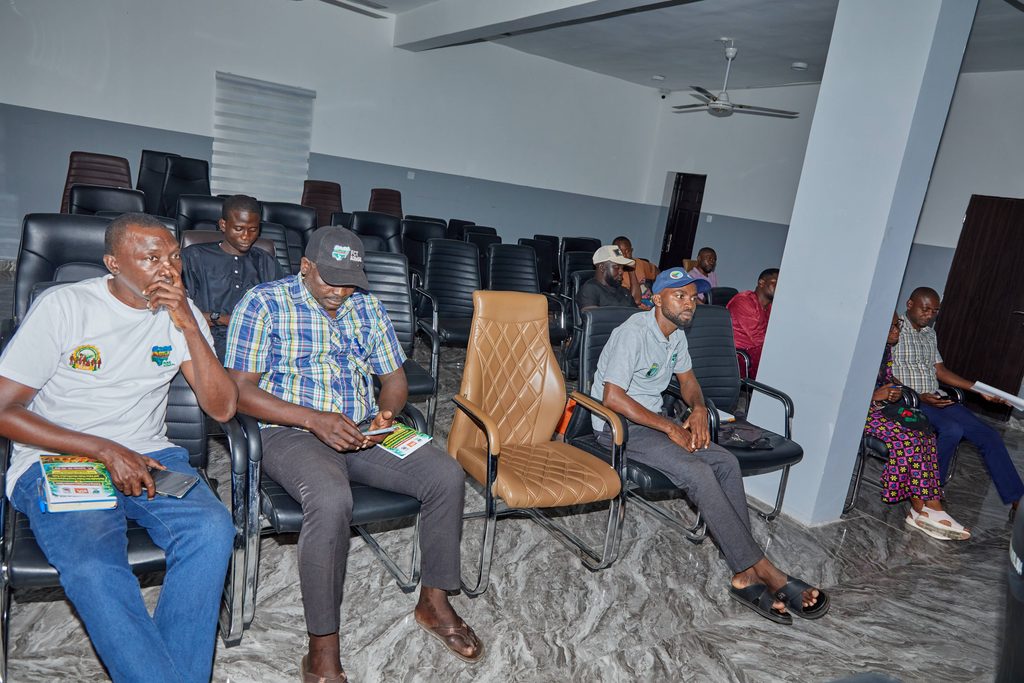
The exercise holding at the Benue ACReSAL Office, entered its second day on Tuesday, with participants drawn from the Bureau for Agricultural Development and Mechanisation and ACReSAL Desk Officers from the Ministries of Environment, Water Resources and Climate Change, and Agriculture and Food Security.
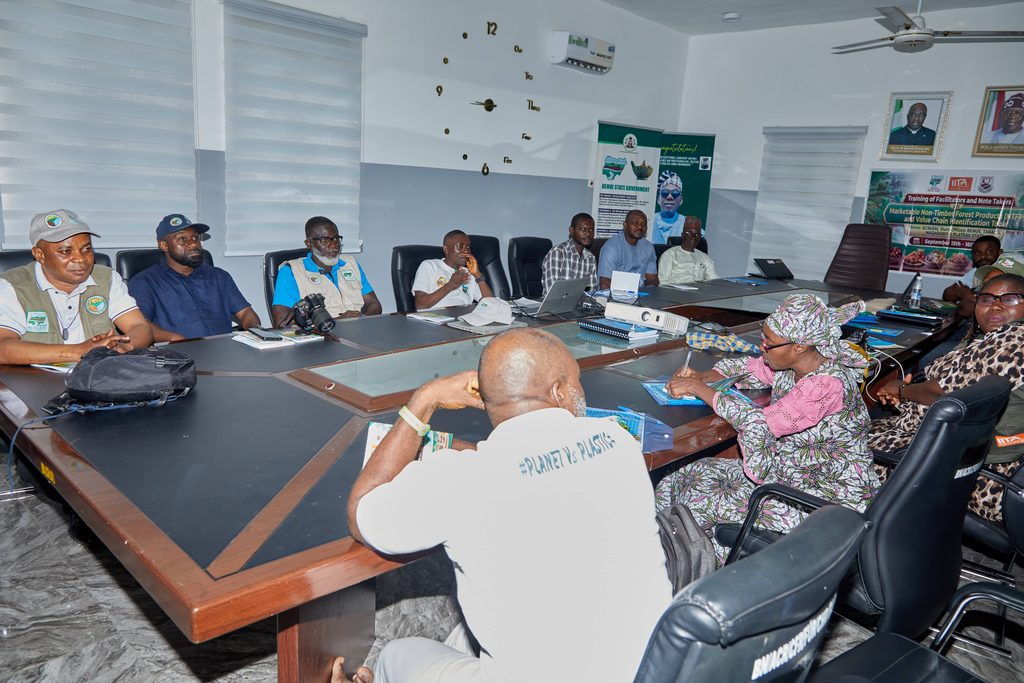
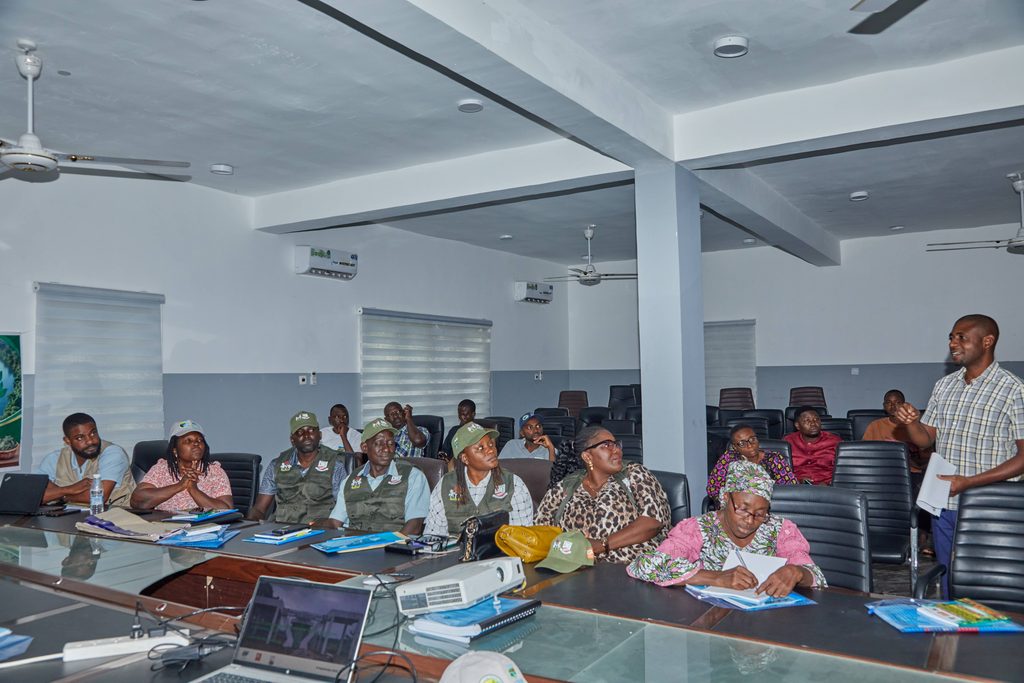
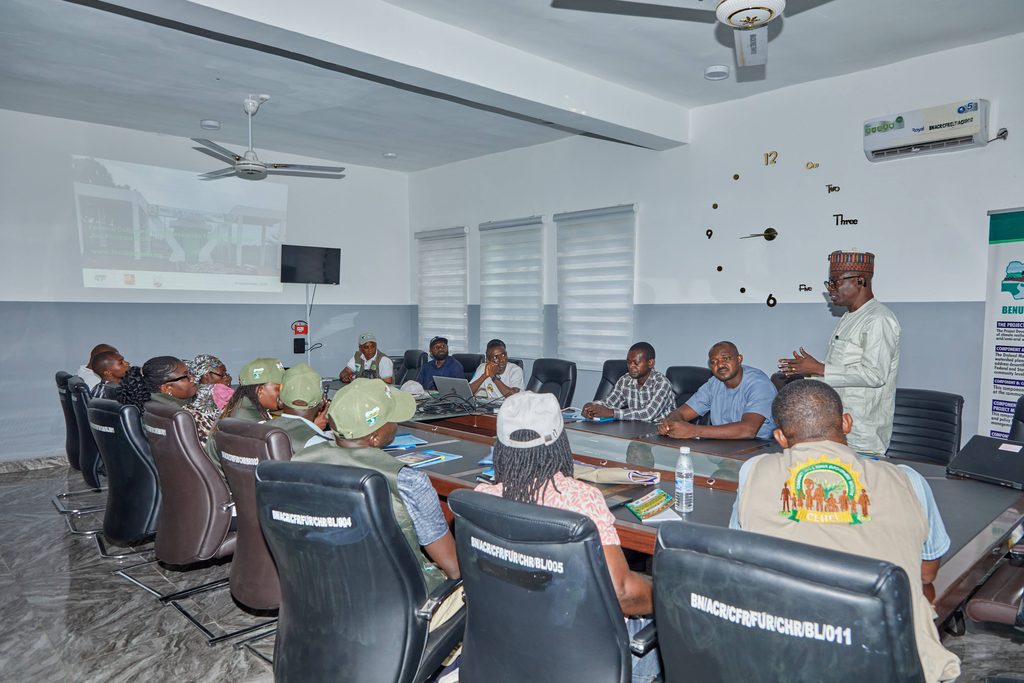
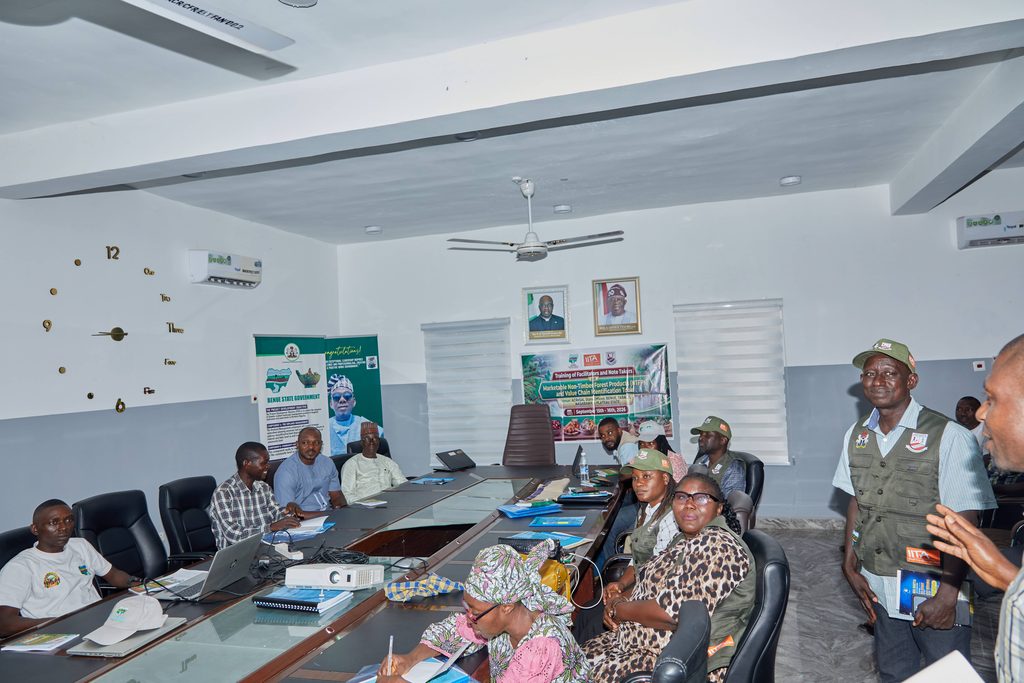
The training is being conducted in collaboration with the Federal College of Land Resources Technology (FECOLART), Kuru, Plateau State, with technical support from the International Institute of Tropical Agriculture (IITA).
Leading the sessions, the head of the FECOLART team, Mr. Yuwa Joshua, guided participants through value chain assessment procedures, including the identification, screening and prioritisation of NTFPs with potential for sustainable income generation.
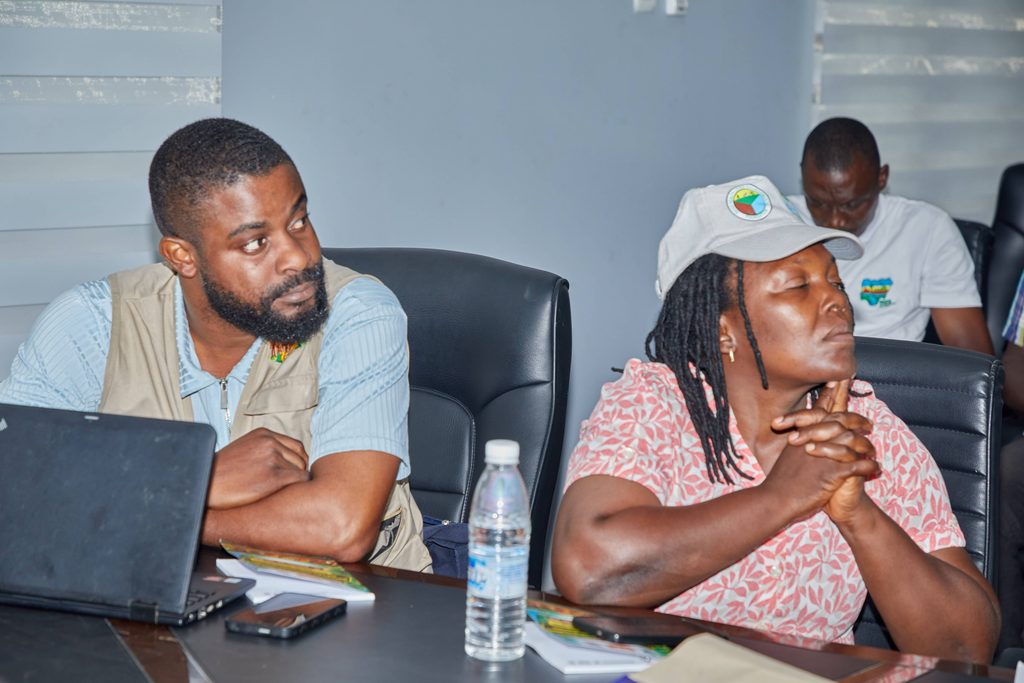
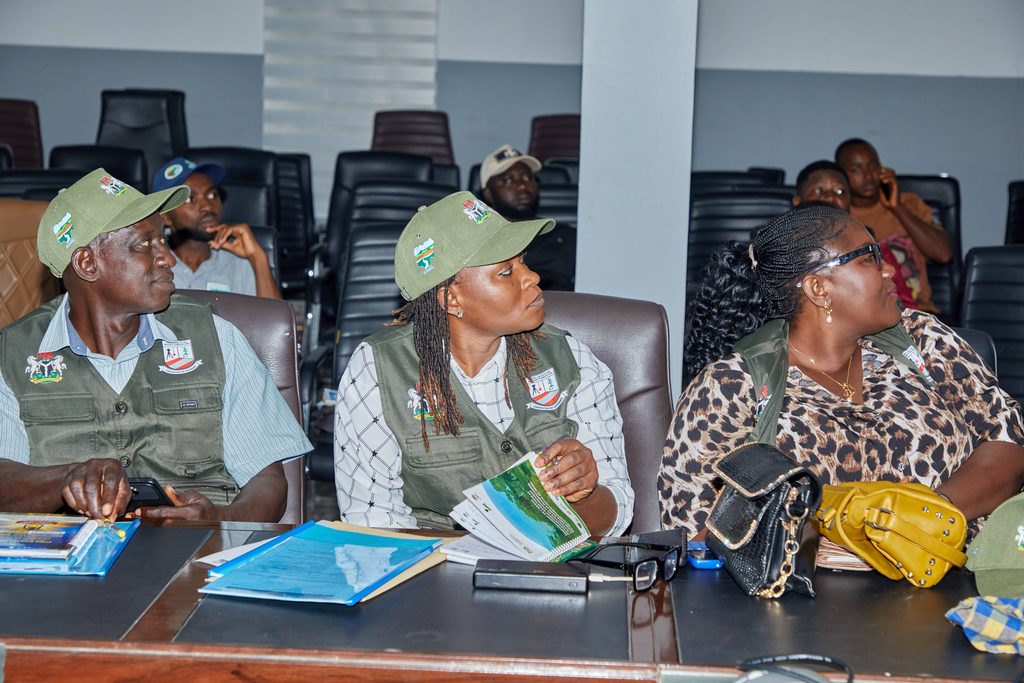
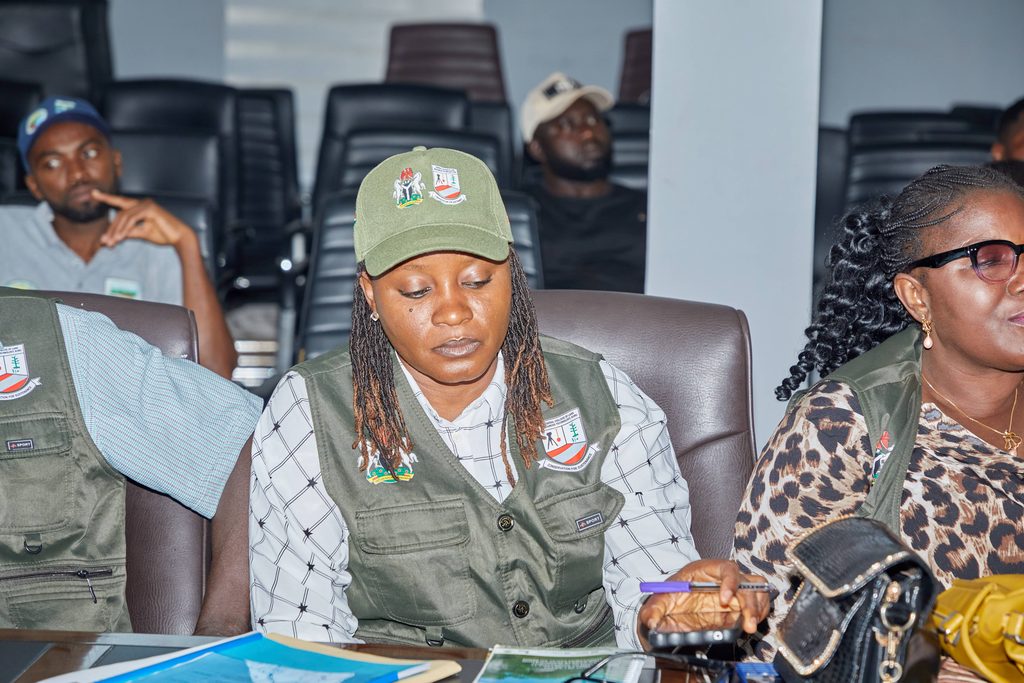
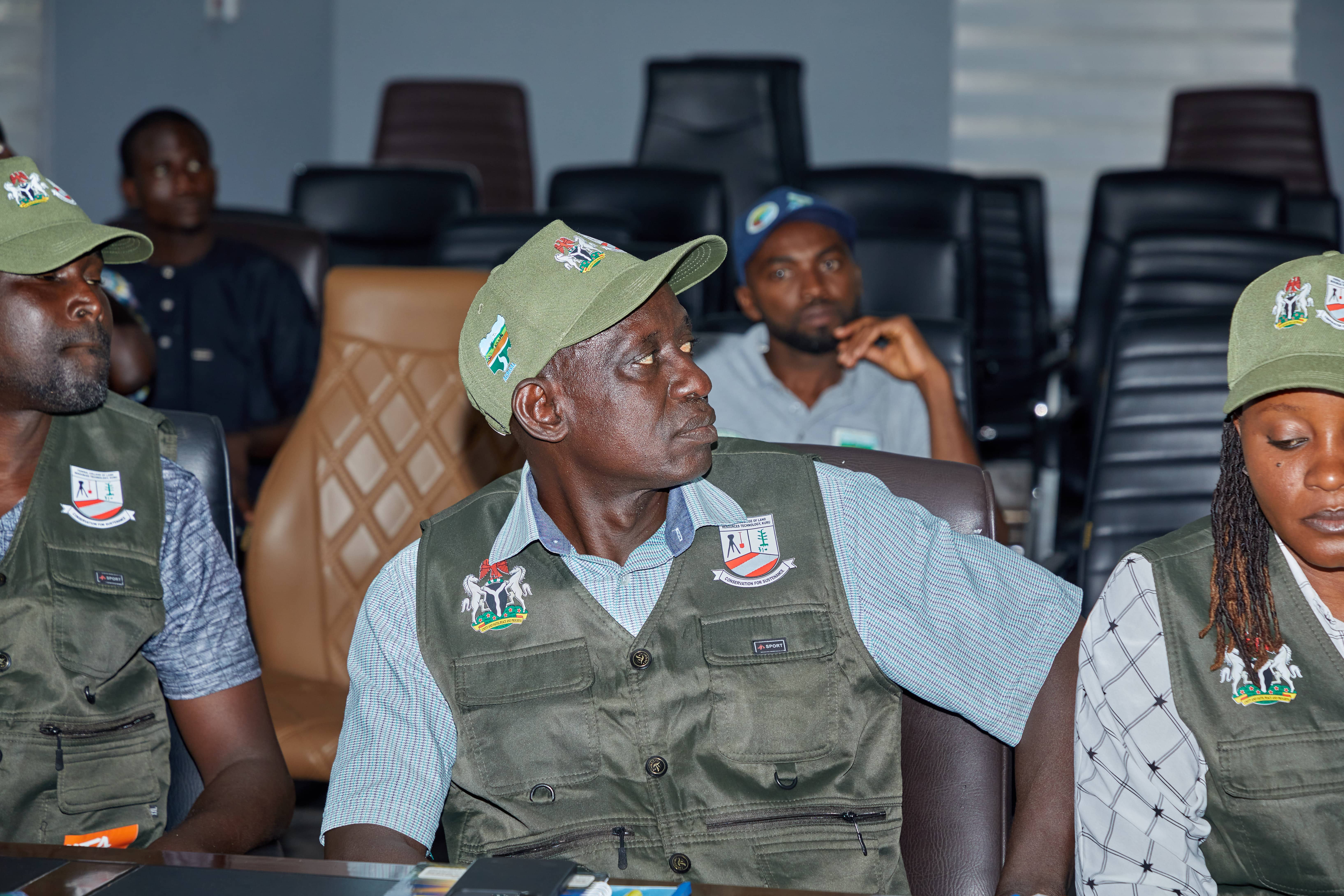
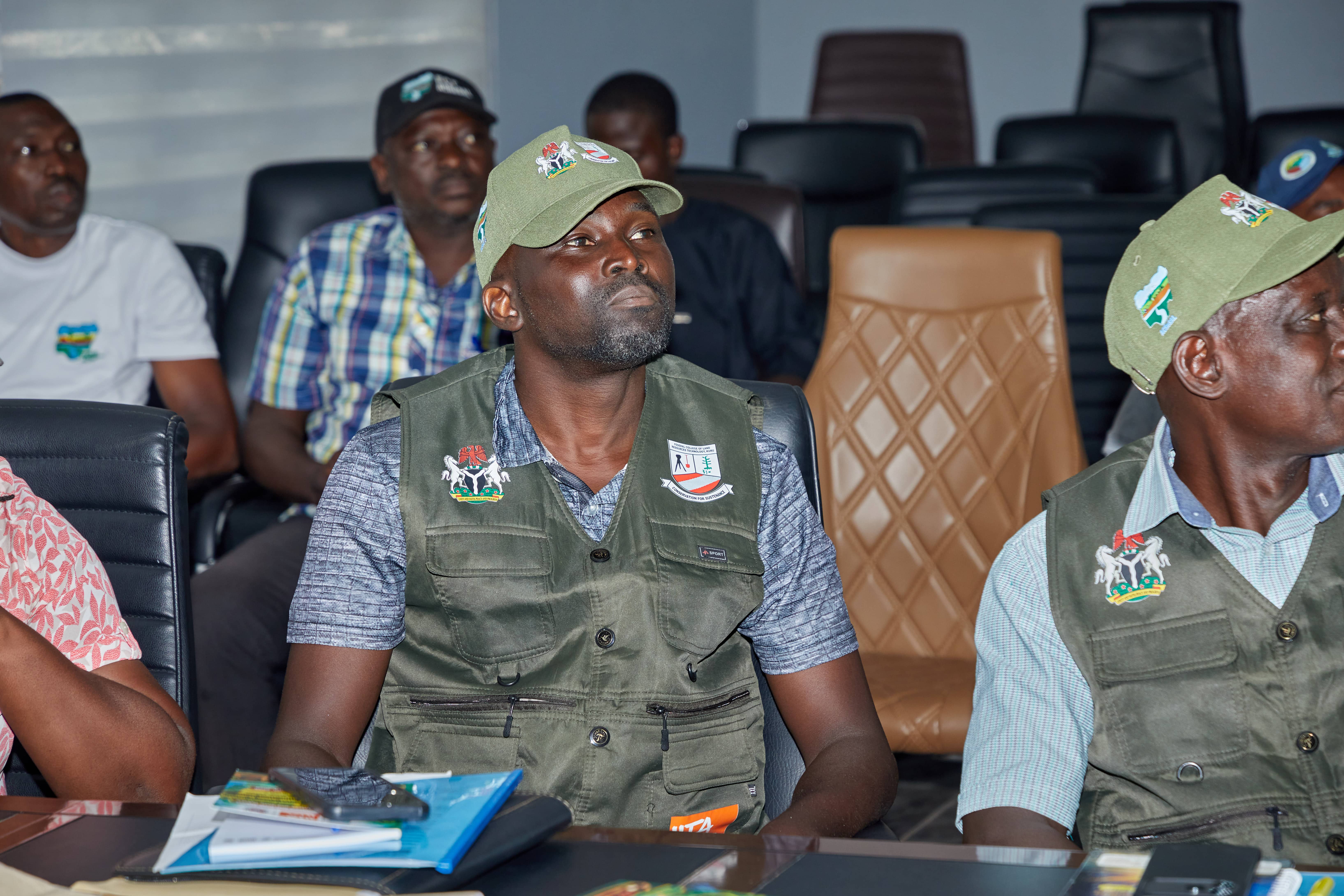
The sessions also focused on effective community engagement through Focus Group Discussions (FGDs) and Key Informant Interviews (KIIs), covering facilitation and probing techniques, participant selection, gender-sensitive discussions, seasonal matrix mapping and the prescribed scoring system for assessing community priorities.
A key feature of the day’s activities was a mock FGD involving facilitators and note-takers, giving participants an opportunity to apply the prescribed guides and participatory tools. The practical session was followed by a plenary review of challenges and clarification of the respective roles of facilitators and note-takers.
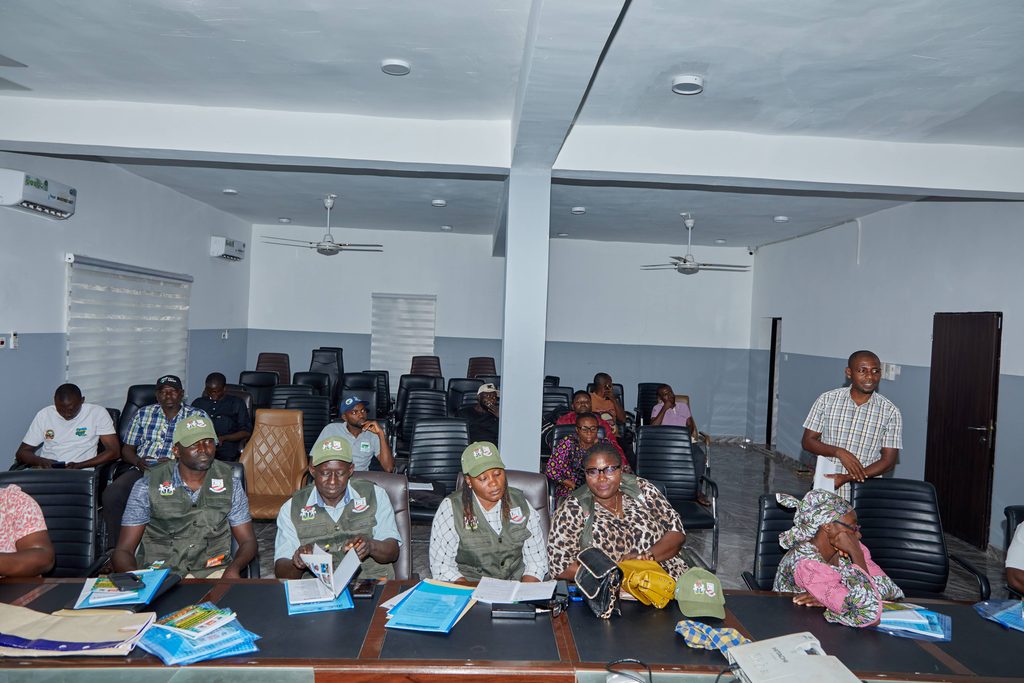
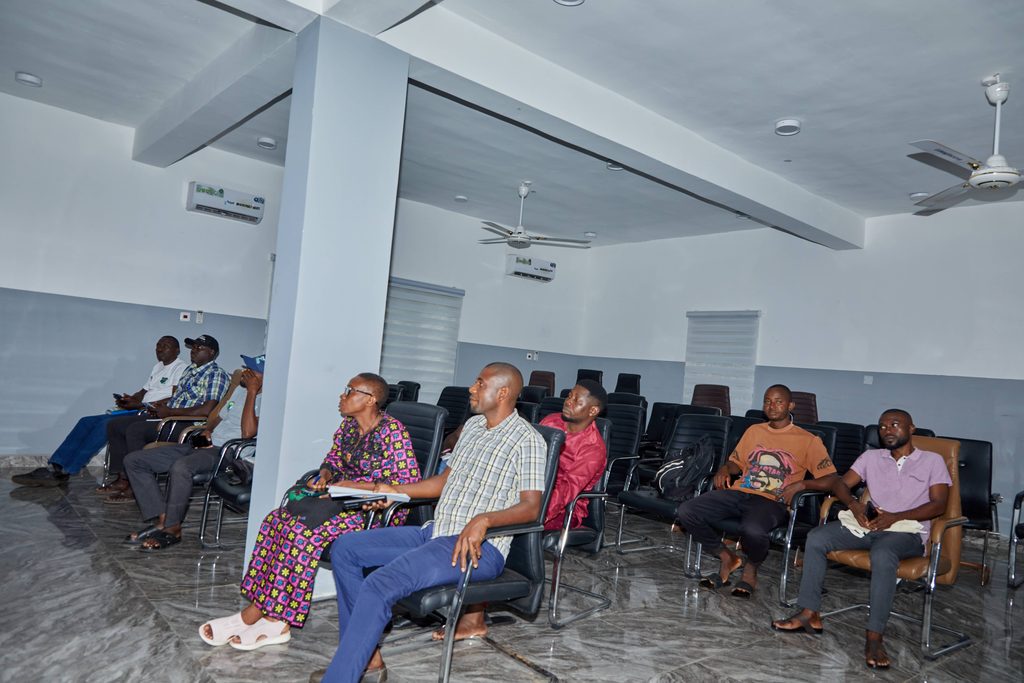



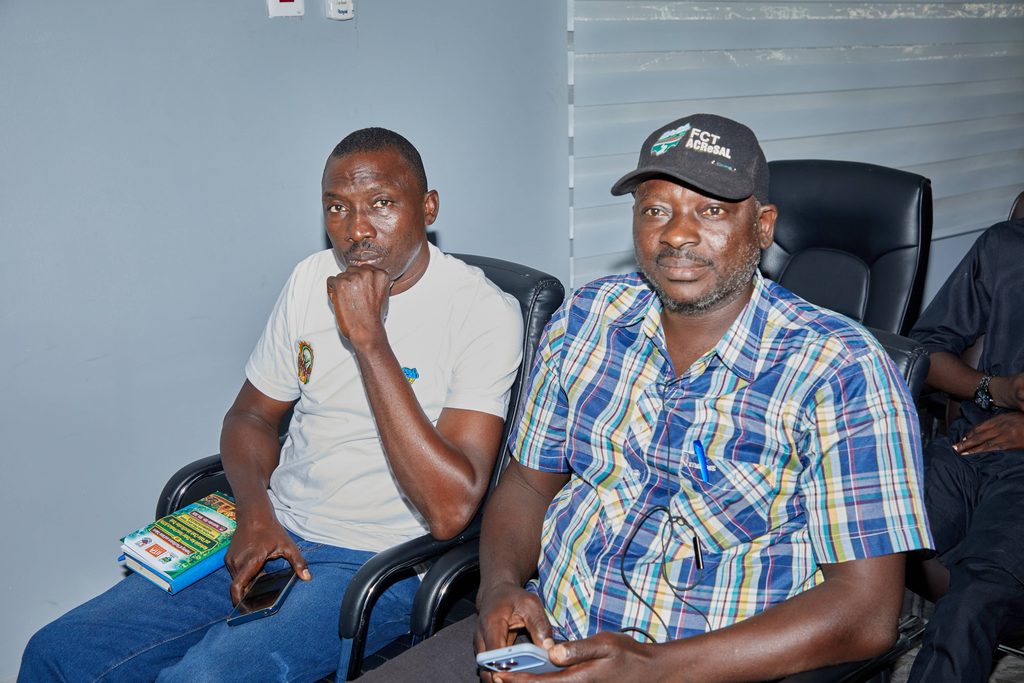

The ongoing exercise is expected to strengthen the capacity of the field team to collect quality data, engage communities effectively and identify NTFP value chains that can contribute to sustainable livelihoods in selected ACReSAL intervention areas.