
Following the recent Food and Agriculture Organization (FAO) Mission in Kwara State, the Benue State Agro-Climatic Resilience in Semi-Arid Landscapes (ACReSAL) project has stepped down an intensive capacity-building training on land restoration techniques. The training, held at the conference hall of the Benue ACReSAL Project Office, was facilitated by a team led by Engr. Emmanuel Inalegwu Olofu, the Drought and Desertification Control Officer and FAO Desk Officer for Benue State ACReSAL.
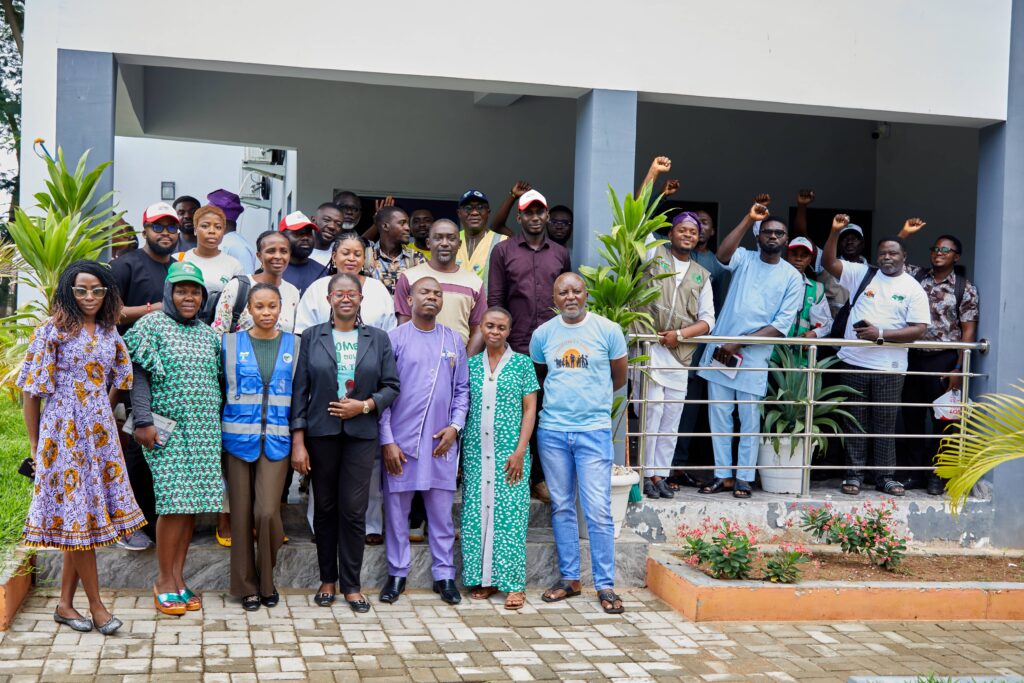
The session deepened participants’ understanding of agroforestry techniques, strengthened technical skills in nursery operations, and enhanced their ability to design basic agroforestry layouts. In his presentation, Engr. Olofu emphasized that agroforestry—integrating trees with crops and livestock systems—remains one of the most effective strategies for restoring degraded lands, improving soil fertility, and enhancing livelihoods.
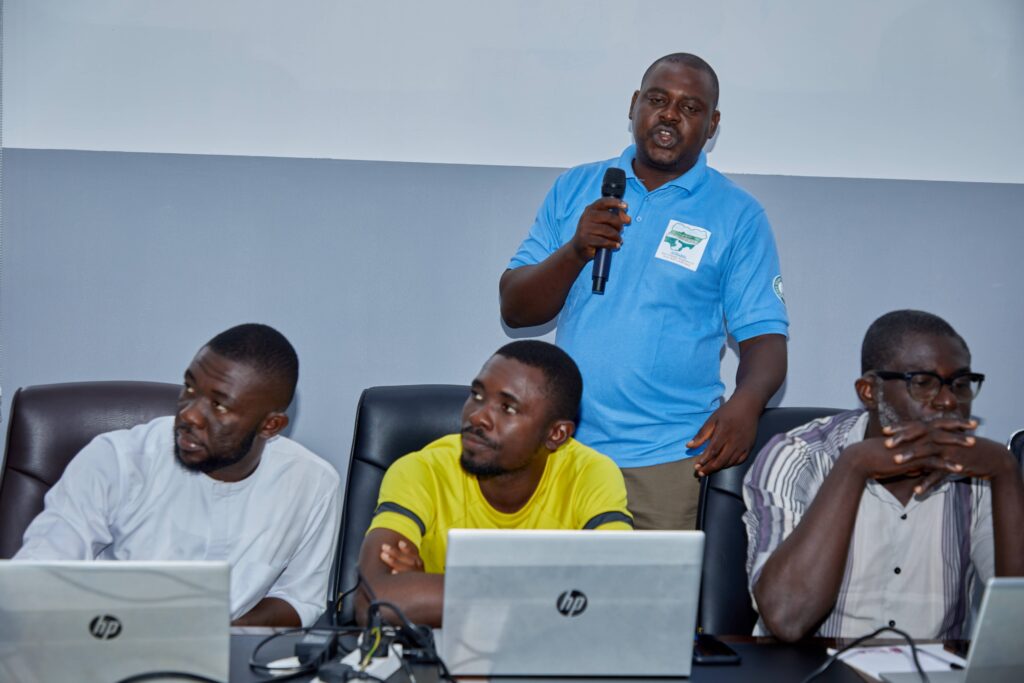
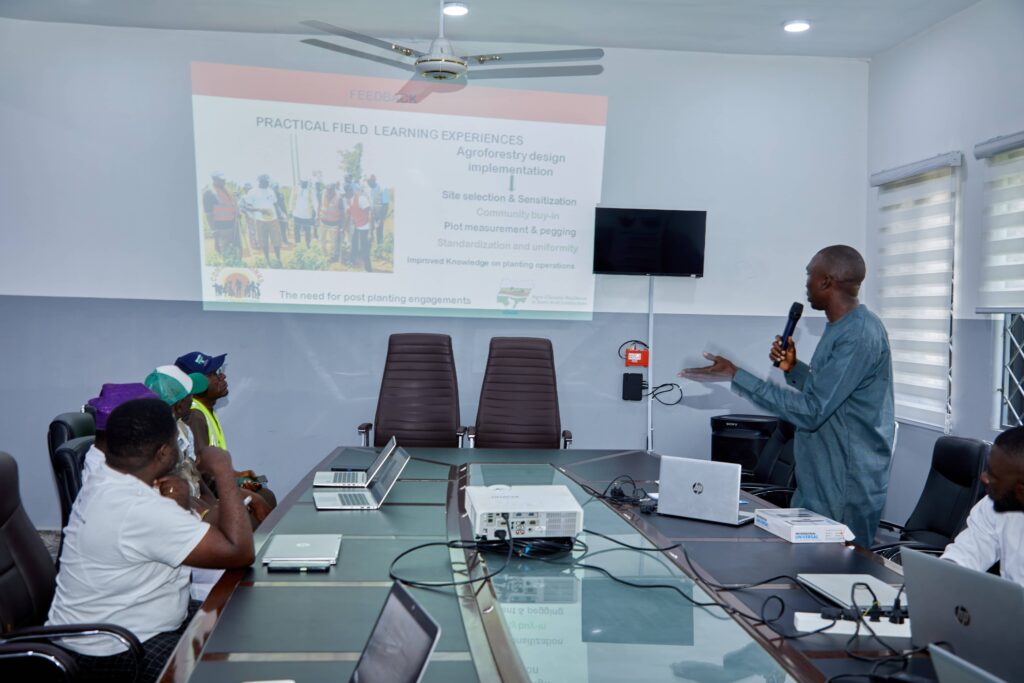
The Natural Resources Officer of Benue ACReSAL, Mr. Hilakaan Peter Hiiorga, took participants through key operational aspects of agroforestry implementation, including site selection and sensitization, plot measurement and pegging, as well as improved planting operations. He highlighted the importance of community sensitization and stakeholder buy-in, stressing that beyond planting, regular monitoring and maintenance are essential for sustainable results.
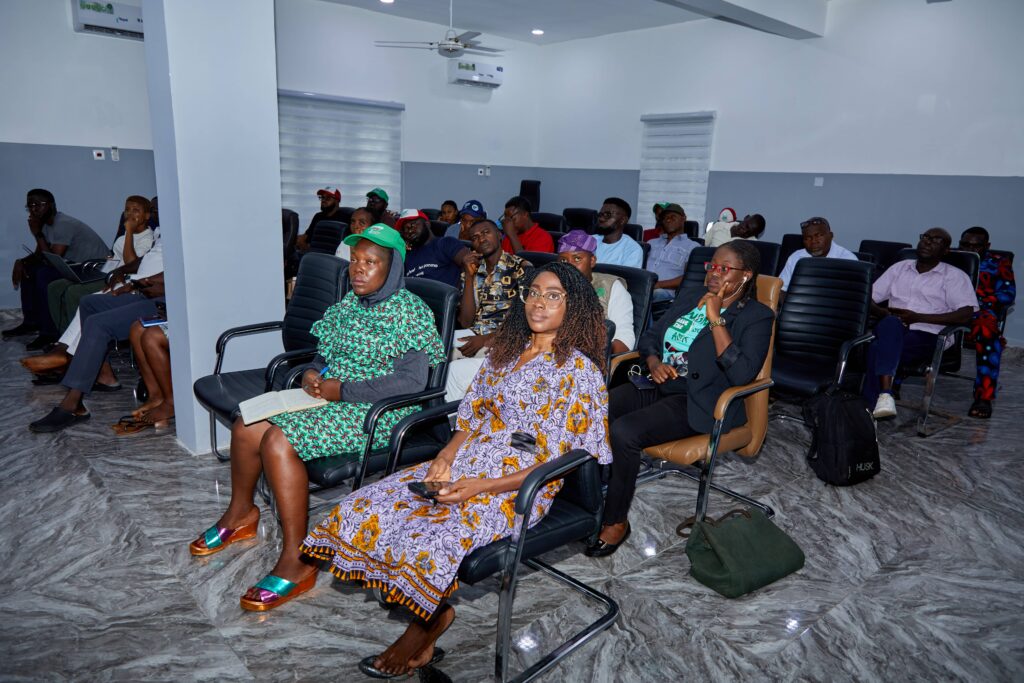


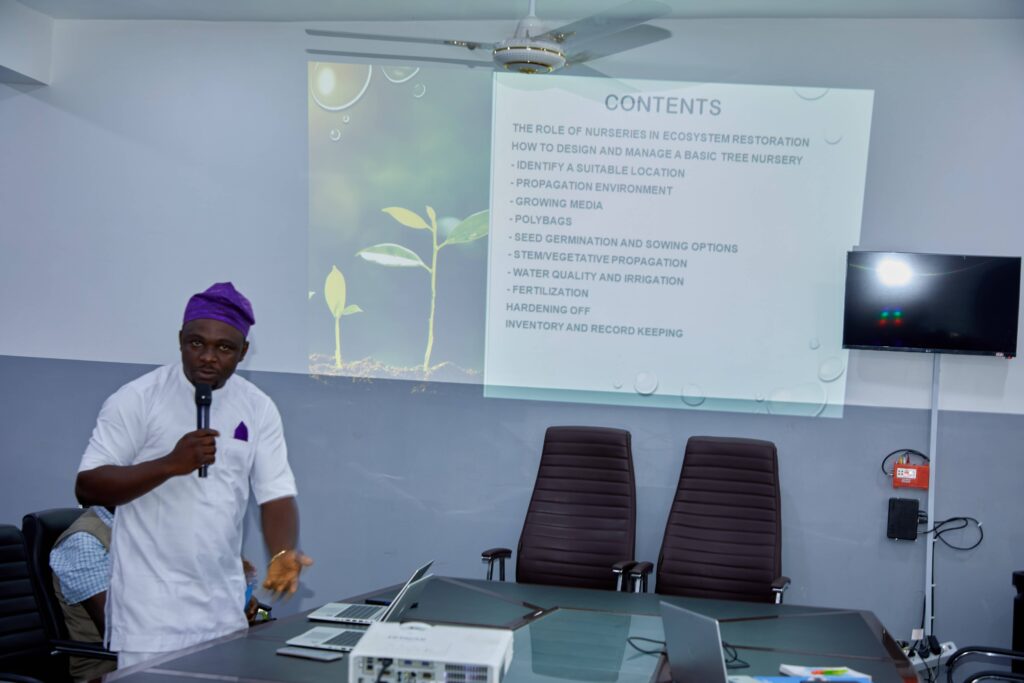
Mr. Ogbode Desmond, Natural Resources Officer with the Community Links and Human Empowerment Initiative (CLHEI), the Focal NGO for Zone B, delivered a detailed session on nursery operations—a cornerstone of successful agroforestry interventions. He spoke on the role of nurseries in ecosystem restoration, designing and managing basic tree nurseries, identifying suitable locations, setting up propagation environments, selecting the right growing media, using polybags effectively, ensuring proper seed germination and vegetative propagation, maintaining water quality and irrigation, applying appropriate fertilization, hardening off seedlings before planting, and keeping accurate inventory and records.
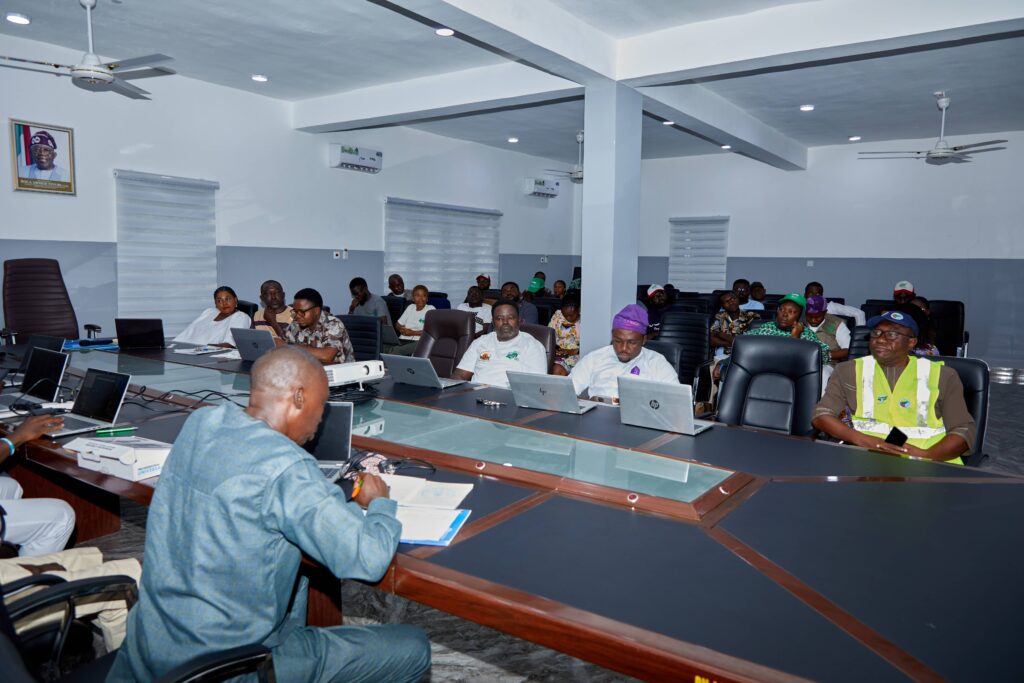
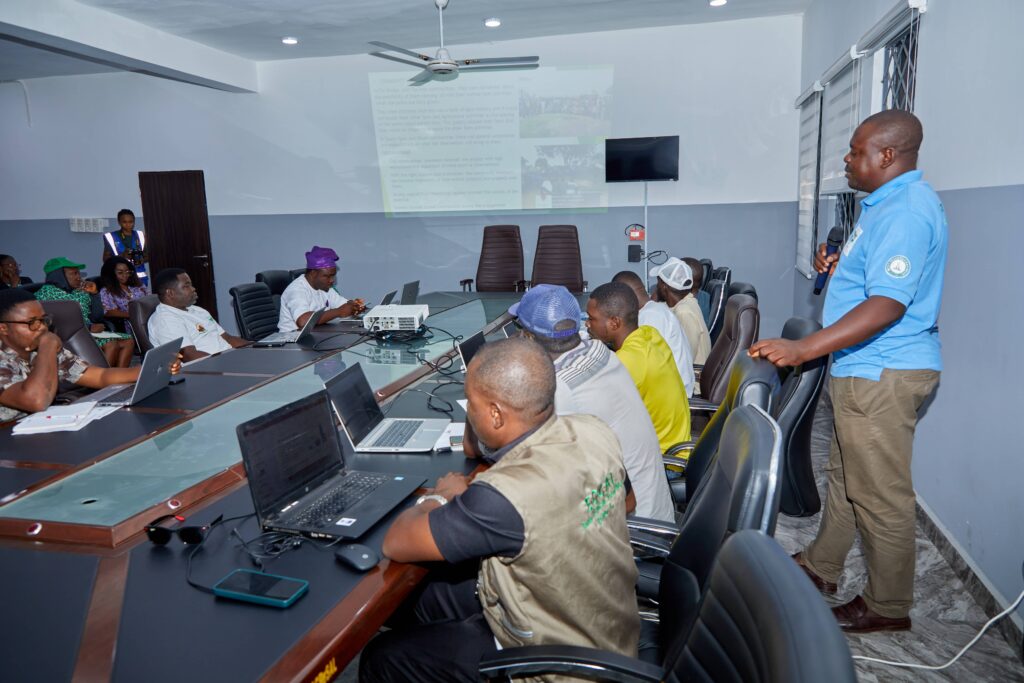
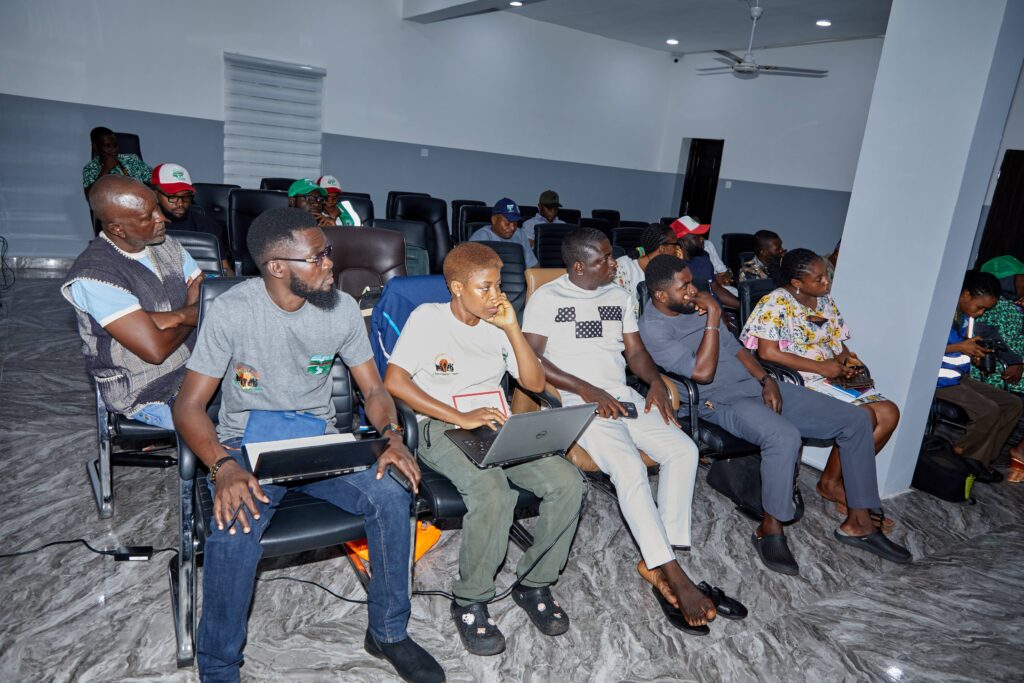
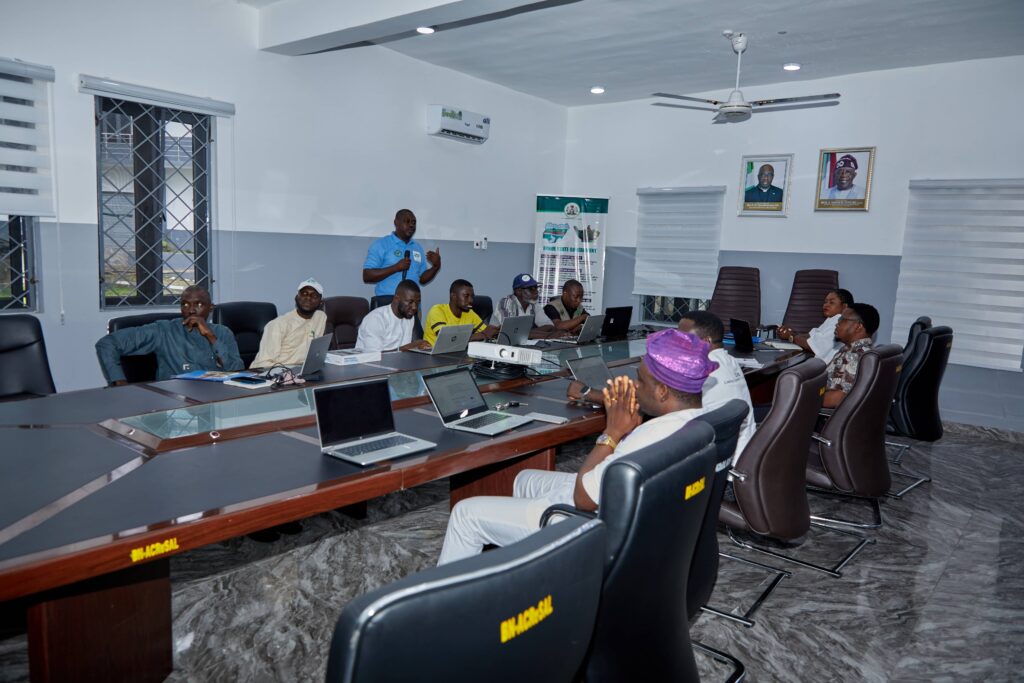
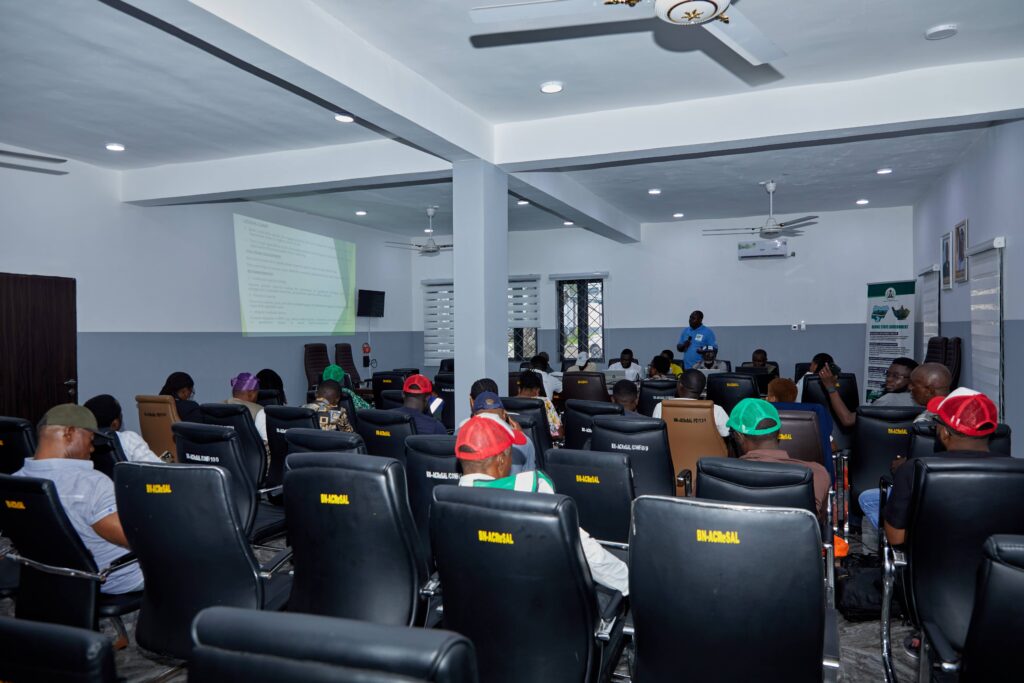
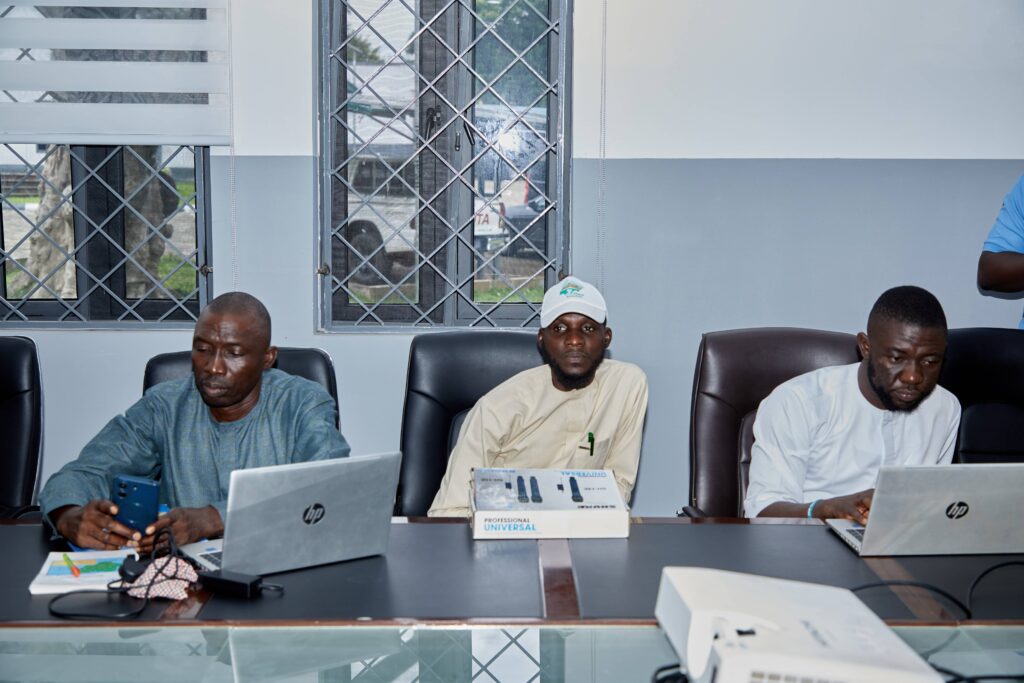
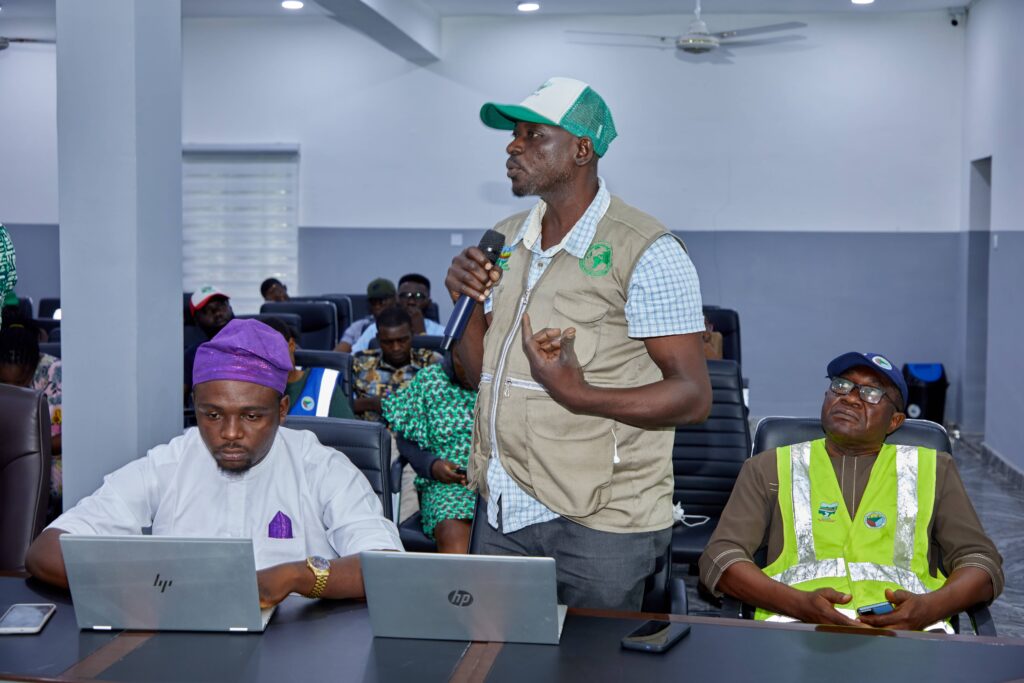
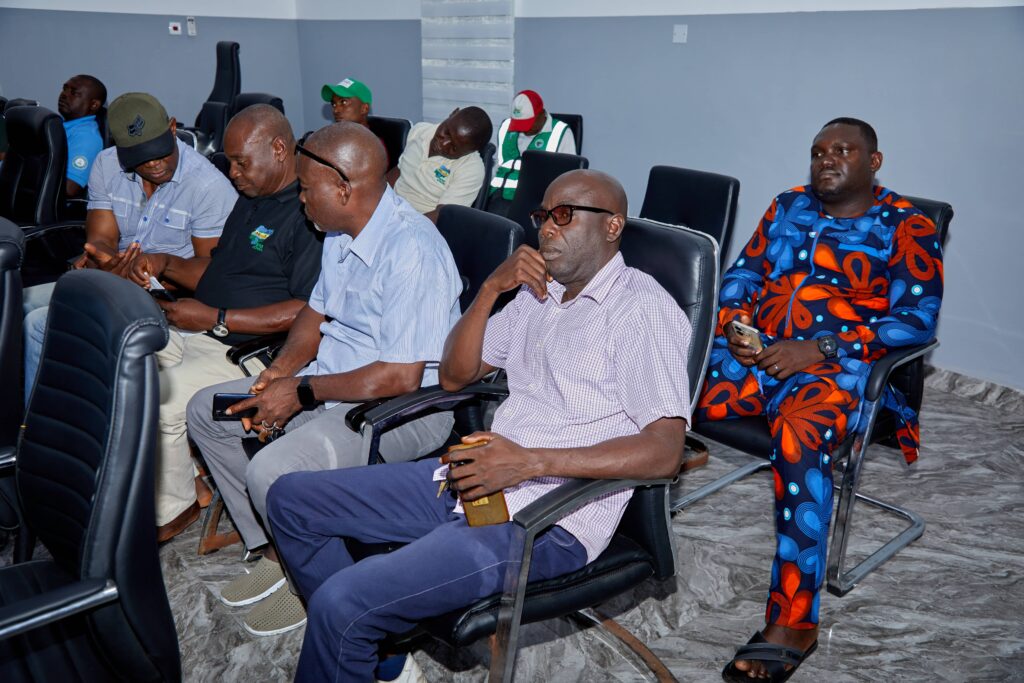
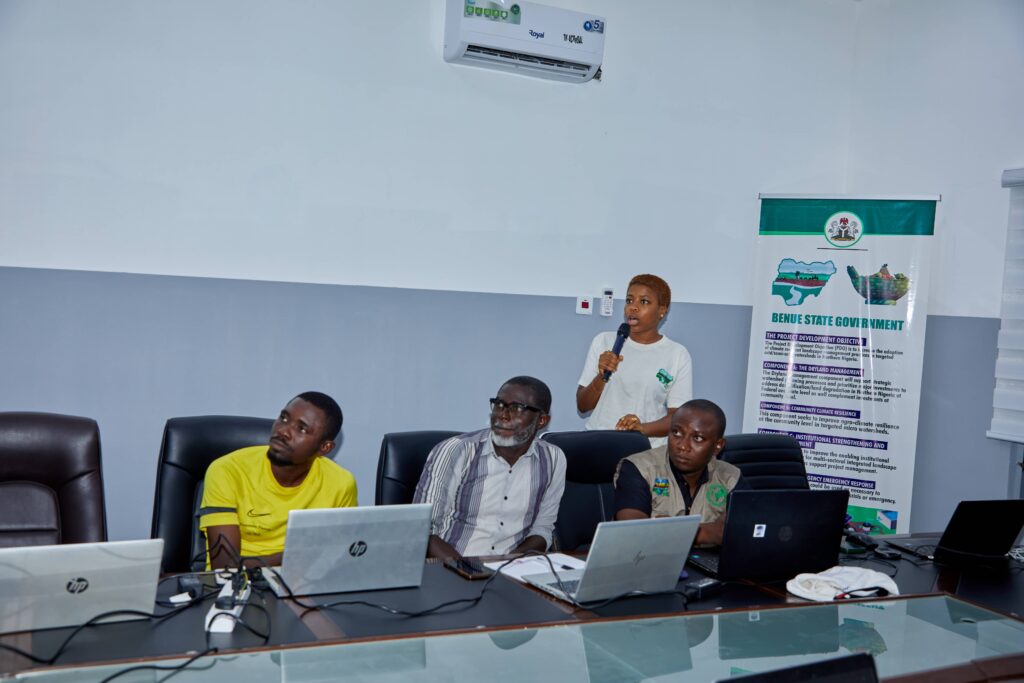
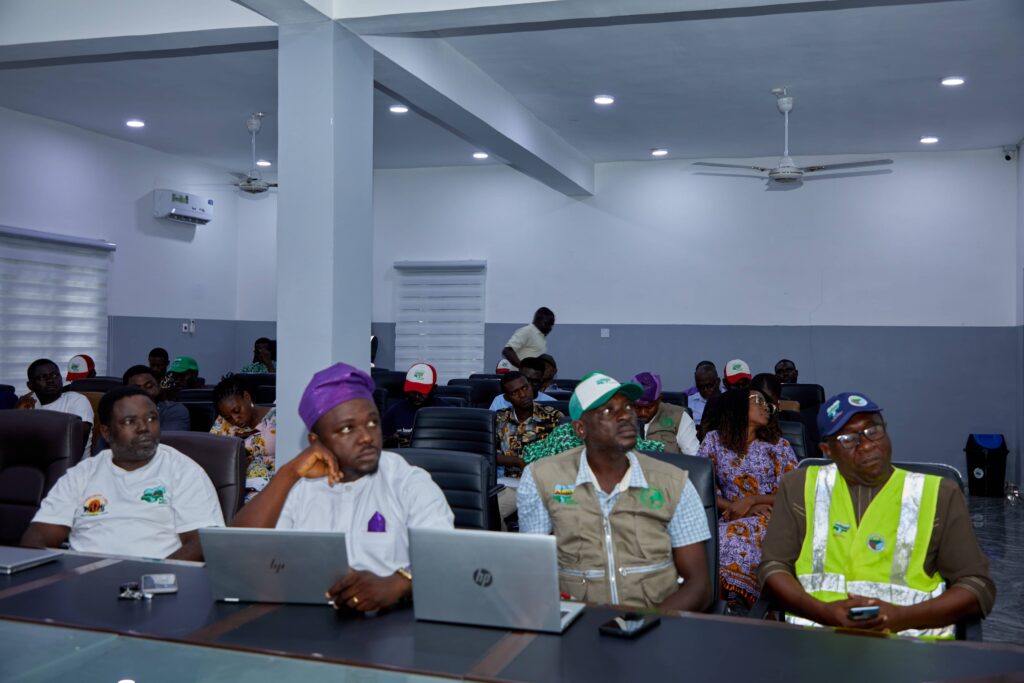
Participants from ACReSAL and the FONGO teams engaged actively, sharing field experiences and proposing solutions to common challenges. They commended the training for being practical, well-structured, and directly relevant to their work. Many expressed confidence that the skills gained would significantly improve ongoing and future interventions in their areas.
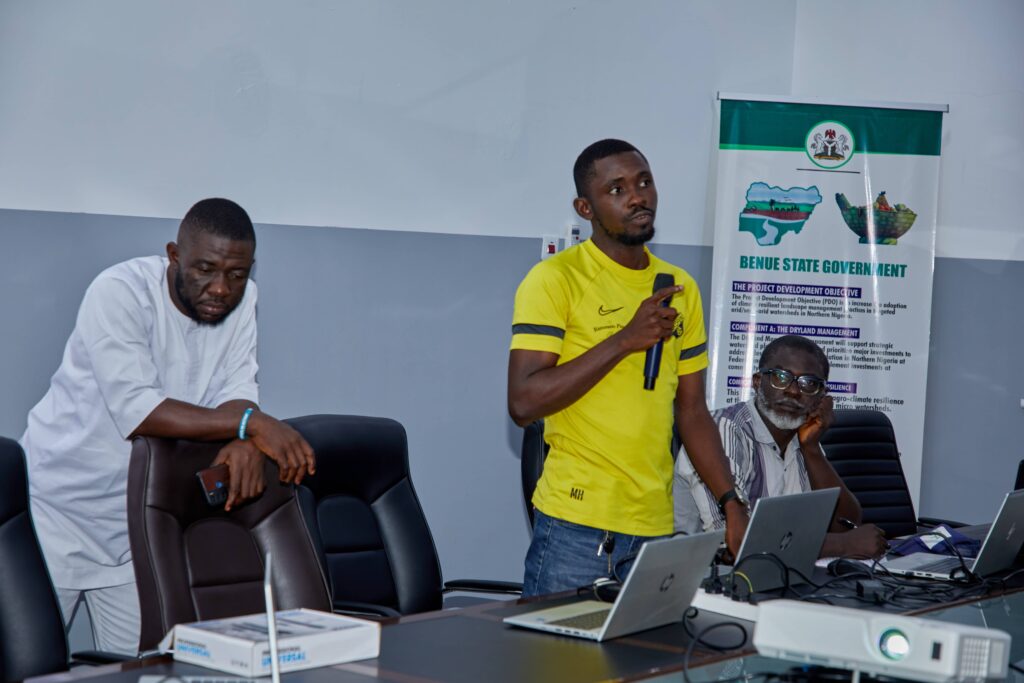
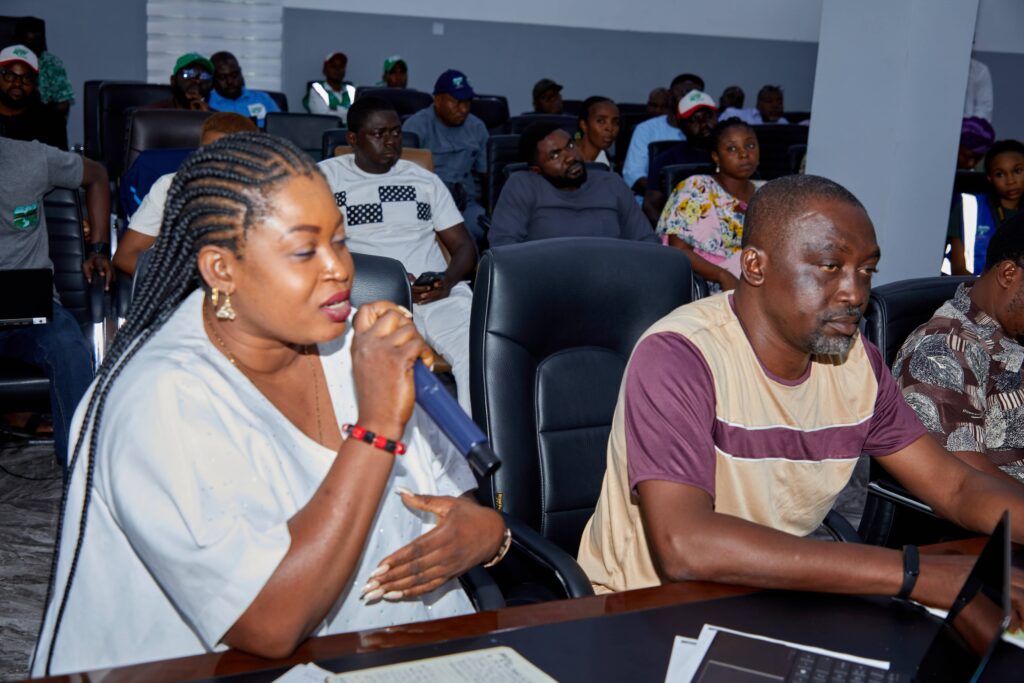
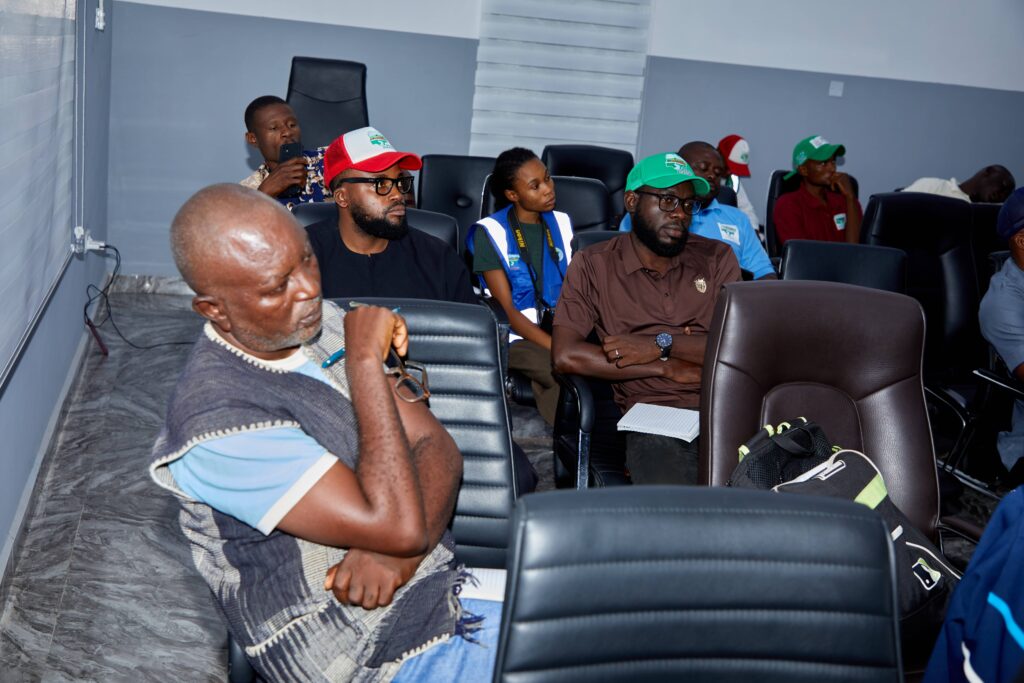
In his closing remarks, Engr. Olofu thanked the FAO for the knowledge-sharing initiative and reaffirmed Benue ACReSAL’s commitment to promoting climate-resilient land use practices. He encouraged participants, especially the Focal NGOs, to own the FAO land restoration project in the state, run with it to deliver, and adapt it to their communities’ needs. He urged them to apply the skills acquired and cascade the knowledge to field teams and community stakeholders. The training ended with a renewed sense of purpose among participants, who pledged to integrate the lessons learned into their work to restore degraded landscapes, enhance livelihoods, and build resilience against climate change.
Through continuous collaboration with stakeholders and active involvement of local communities, Benue ACReSAL remains committed to transforming land management practices for the benefit of present and future generations.